
The Next Generation of New York Dairy Farmers
Many of New York's dairy farms have been in the same family for generations, but the future of those farms doesn't rest on history alone. It rests on the young people choosing, every day, to step into that legacy and carry it forward, often while reshaping it for a new era.
Across the state, a new generation of dairy farmers is bringing fresh energy, new ideas, and modern tools to an industry built on tradition. Their work is shaping what New York dairy looks like for decades to come.
Growing Up on a Dairy Farm
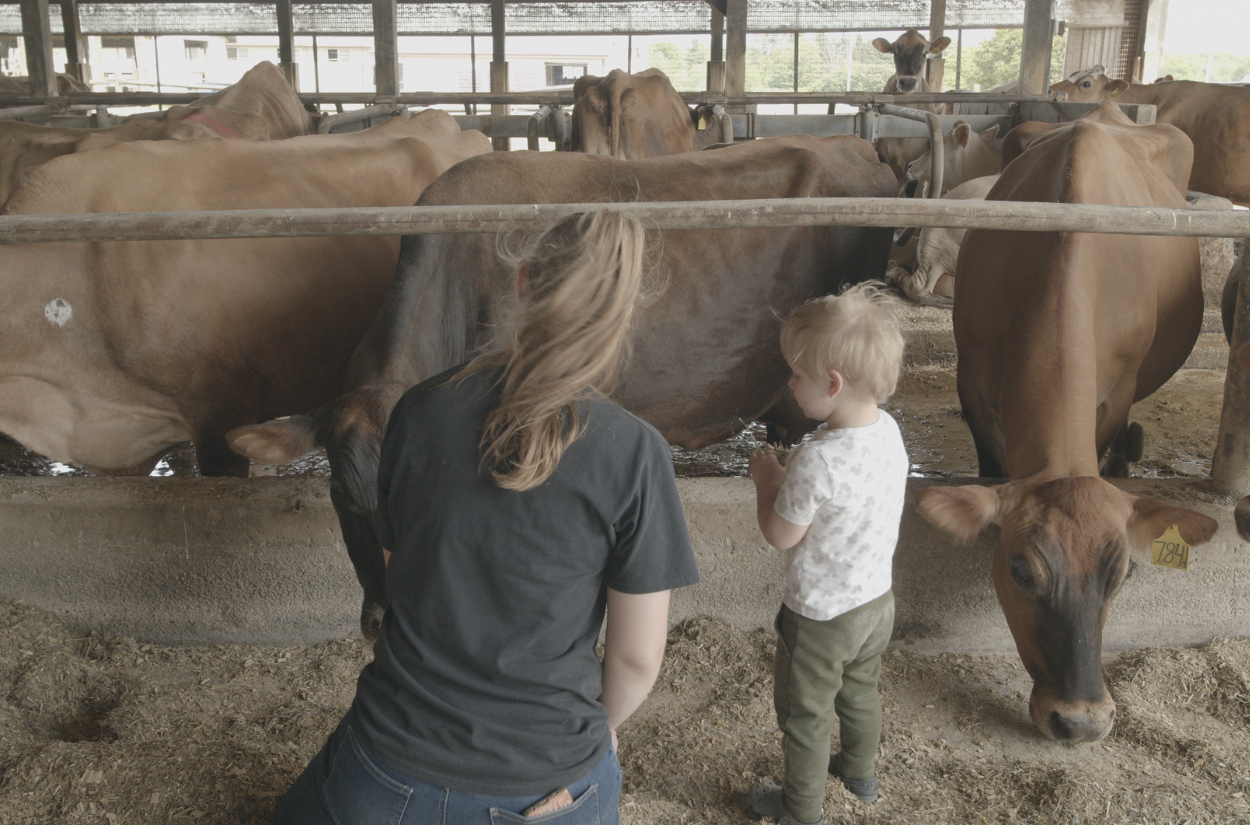
For many young farmers, the connection to agriculture starts before they can remember, through small, formative moments like helping with morning chores, raising a first calf through 4-H, or riding along on the tractor.
That early exposure teaches more than the basics of animal care. It builds responsibility, work ethic, and an understanding that farm life doesn't pause for weekends or weather. Many young farmers describe learning to problem-solve and adapt at a young age, simply because the work demanded it. By the time they're old enough to take on real responsibility, that connection to the land and the animals already runs deep.
Bringing New Ideas to Modern Dairy Farming
What sets this generation apart is their ability to build on tradition while still honoring it. Many young farmers are combining the lessons passed down from their parents and grandparents with new tools designed to make farms more efficient, sustainable, and resilient.
Technology adoption on dairy farms has grown steadily over the past two decades, and younger farmers are often the ones leading that shift. Robotic milking systems, herd health sensors, and precision feeding tools are becoming more common. They are just a few of the tools helping farms run more efficiently while also giving farm families more flexibility in their daily lives. Research has shown that farms using these technologies can see measurable improvements in both productivity and profitability. For young farmers, technology isn't a replacement for hands-on care, but rather a tool that helps them do that work better.
The Challenges and Opportunities Facing the Next Generation
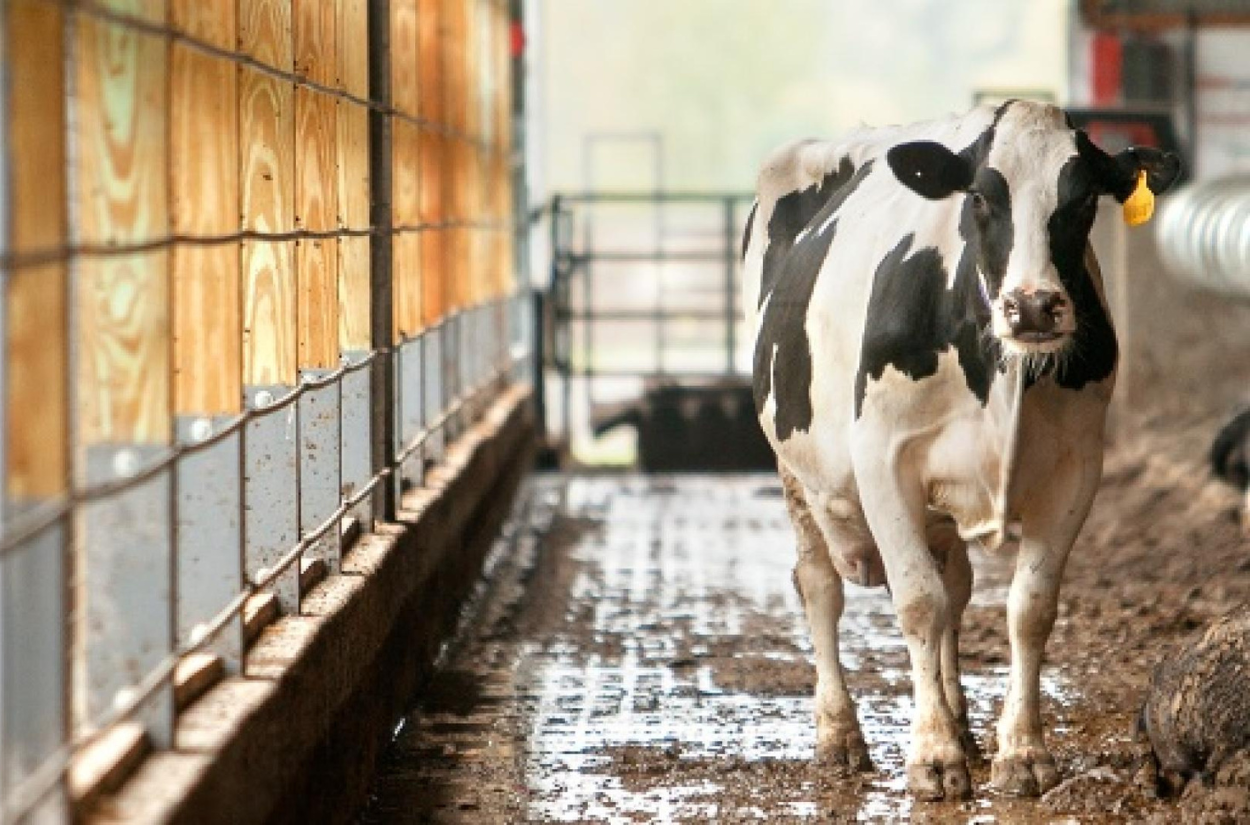
Taking over or starting a dairy farm today isn't easy. The cost of land, equipment, and cattle continues to rise, and milk markets can be unpredictable from year to year. Succession planning, the process of passing a farm from one generation to the next, takes years of careful preparation.
At the same time, there's a lot of opportunities. Nationally, the number of young and beginning farmers has grown in recent years, a sign that despite the challenges, people are still choosing this path. Programs through Cornell Cooperative Extension, 4-H, and FFA continue to give young people in New York the training and support they need to enter the industry with confidence. For those willing to put in the work, dairy farming still offers something hard to find elsewhere: a direct connection to the land, the animals, and the community around them.
Why It Matters for New York Communities
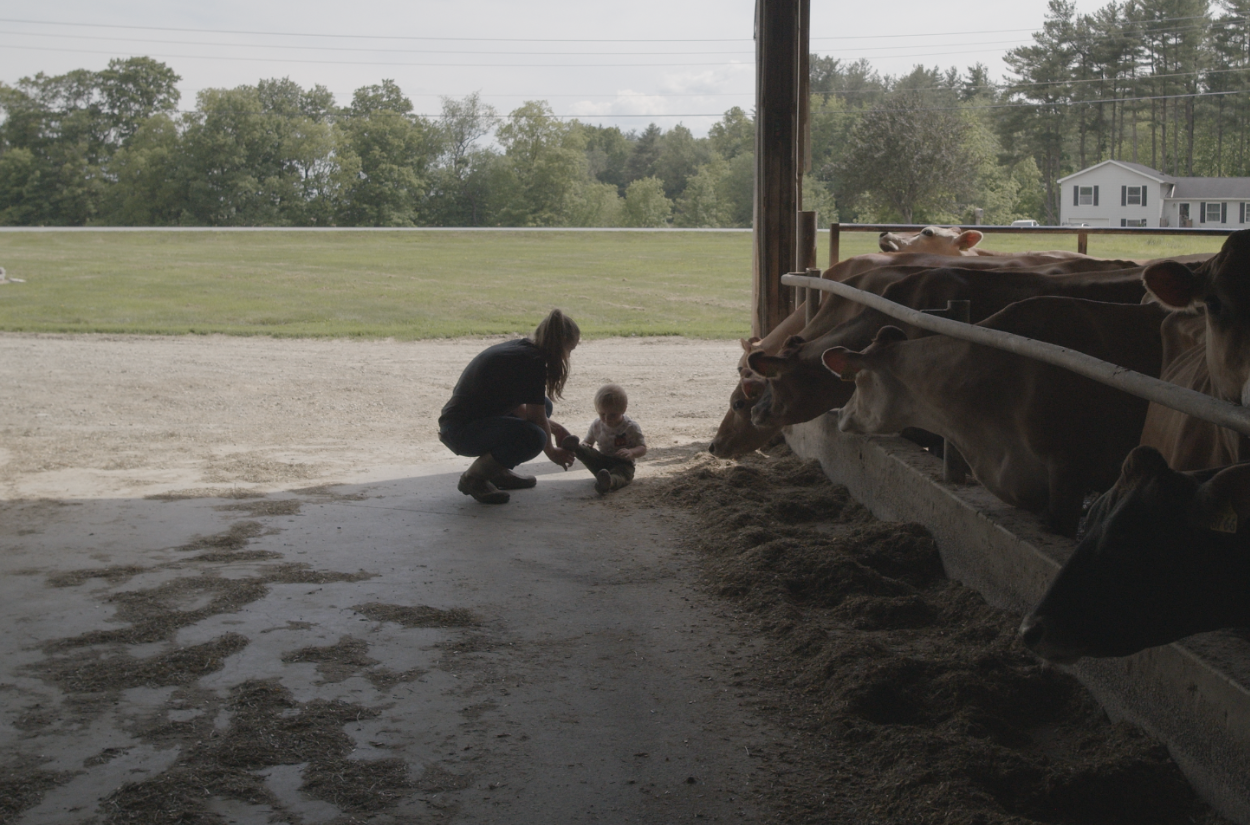
The decisions young farmers make today shape the dairy that ends up in refrigerators across New York and beyond. Their commitment to animal care, environmental stewardship, and responsible farming practices directly affects the quality and reliability of the milk, cheese, and yogurt that families rely on.
It also matters for rural communities. Dairy farms support local economies, schools, and businesses, and every farm that continues into the next generation helps keep that foundation strong.
The Future of Dairy Farming
The future of New York dairy is being built by the farmers who are stepping forward today. Through a combination of tradition, innovation, and dedication, the next generation is helping ensure dairy farms remain a vital part of New York's communities for years to come.