
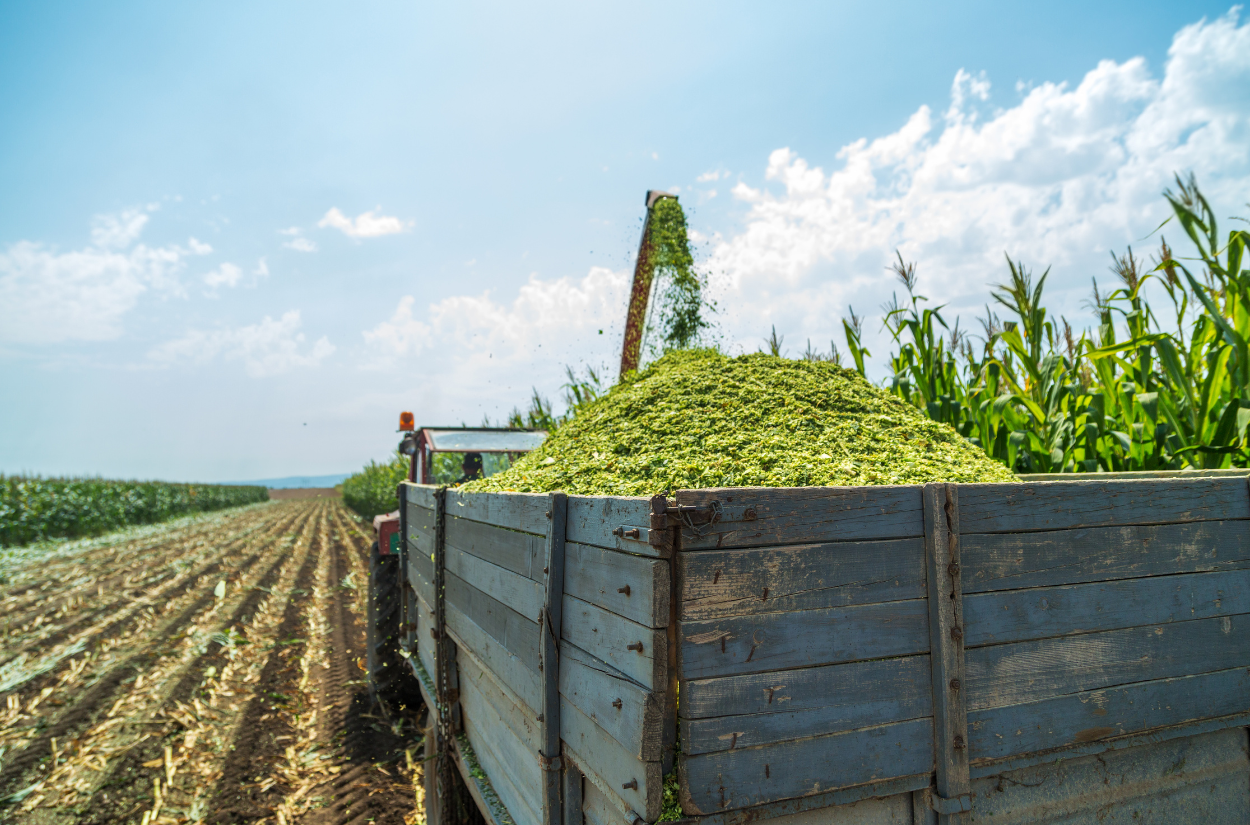
Drive past a dairy farm in New York during late summer or early fall, and you might notice the tall corn fields starting to thin out. In their place, you may see chopped green plant material hauled by the truckload and packed into long covered piles or tall silos. Many people recognize this scene every year without knowing exactly what they are looking at.
That chopped corn is called corn silage, and it is one of the most important feeds a dairy farm produces. Understanding what it is helps explain a lot about how dairy cows are fed and why this busy harvest season matters so much.
What Is Corn Silage?
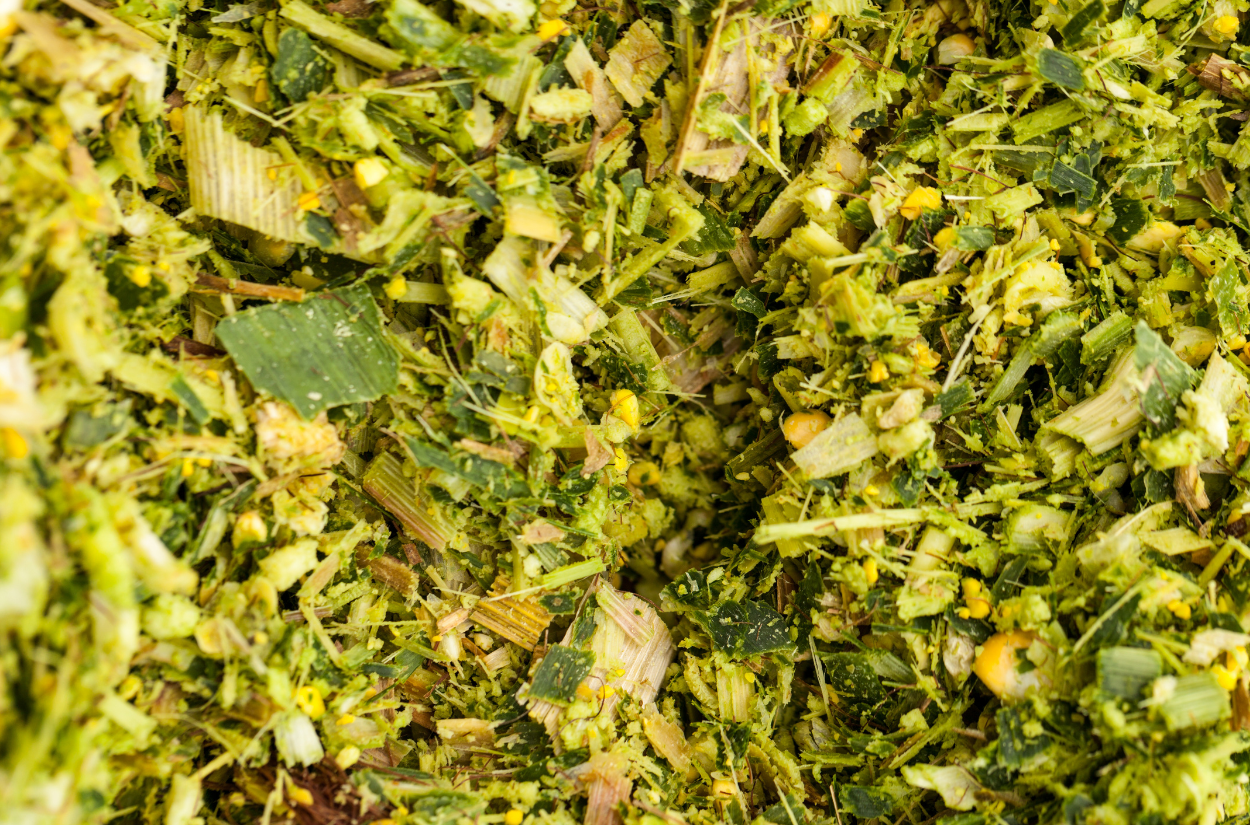
Corn silage is the whole corn plant chopped into small pieces and stored so that it ferments. That includes the stalk, the leaves, and the ears, all harvested together while the plant is still green. The corn grown for silage is a field variety raised specifically for animal feed, so it is different from the sweet corn people enjoy.
Once the chopped corn is packed tightly and sealed away from air, natural bacteria begin to ferment it. The process works a little like pickling, and it preserves the feed and keeps it usable for many months. A well-made batch of silage can feed a herd well into the following year.
Why Do New York Dairy Farmers Harvest Corn for Feed?
Cows need to eat every day of the year, but crops only grow during the warmer months. Corn silage solves that problem by turning a single fall harvest into a steady feed supply that lasts through winter and spring. Storing it well means a farm can offer the same reliable diet no matter the season.
Corn also delivers a lot of nutrition per acre. Because the entire plant is harvested, farmers capture both the energy from the grain and the fiber from the stalk and leaves. New York's growing season and climate suit corn well, which is one reason silage is such a common sight on the state's dairy farms.
How Corn Silage Goes From the Field to the Feed Bunk
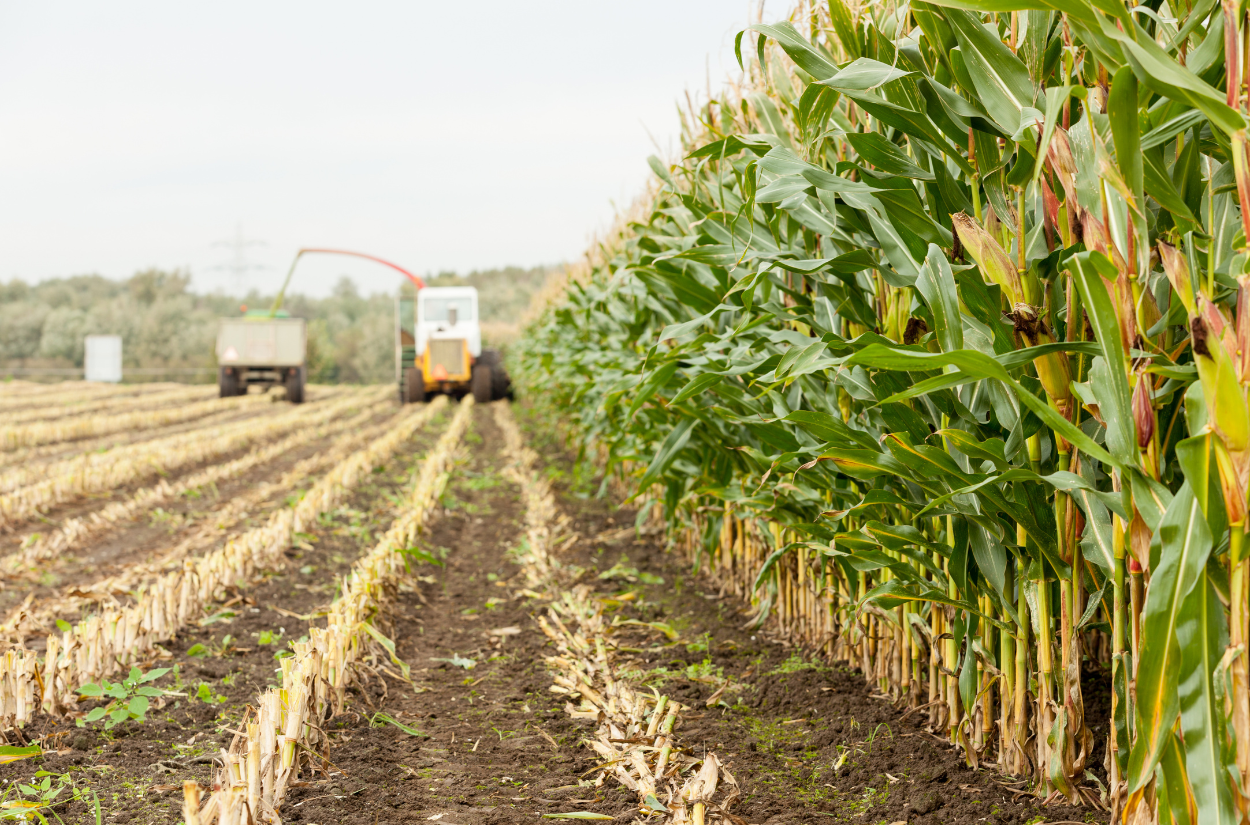
Timing is everything at silage harvest. Farmers watch the moisture content of the plant closely, because chopping at the right stage makes for better fermentation and higher quality feed. When the corn is ready, a machine called a forage harvester cuts and chops the entire plant in one pass.
The chopped corn is then hauled to a storage area and packed down tightly to force out as much air as possible. Farmers store it in bunker silos, tall upright silos, or long plastic bags, then seal it up. Over the next few weeks, fermentation lowers the acidity and locks in the feed, and once it has cured, the silage is ready to move to the feed bunk where the cows eat.
How Corn Silage Fits Into a Dairy Cow's Diet
Corn silage is a foundation of the dairy cow diet, though it is rarely fed on its own. Dairy cows are ruminants, which means they have a specialized stomach that can break down fibrous plants like corn silage into energy. The grain in the silage provides much of that energy, while the stalk and leaves supply the fiber cows need to stay healthy.
To keep cows well nourished, most farms work with a nutritionist to build a balanced ration. Corn silage is usually mixed with other feeds such as hay, grains, and minerals so that every cow gets the right blend of energy, protein, and fiber. The result is a consistent diet that supports the cows and the milk they produce.
A Familiar Sight
The next time you pass a New York dairy farm and see a covered pile of chopped corn, you will know it is more than leftover stalks. It stands for months of planning and a full season of work, all aimed at keeping cows well fed through the year.
That steady feed supply is an essential part of how New York dairy farms operate, and it helps keep local milk flowing to families and communities across the state.
