
Why the Whole Milk for Healthy Kids Act Matters for New York Dairy
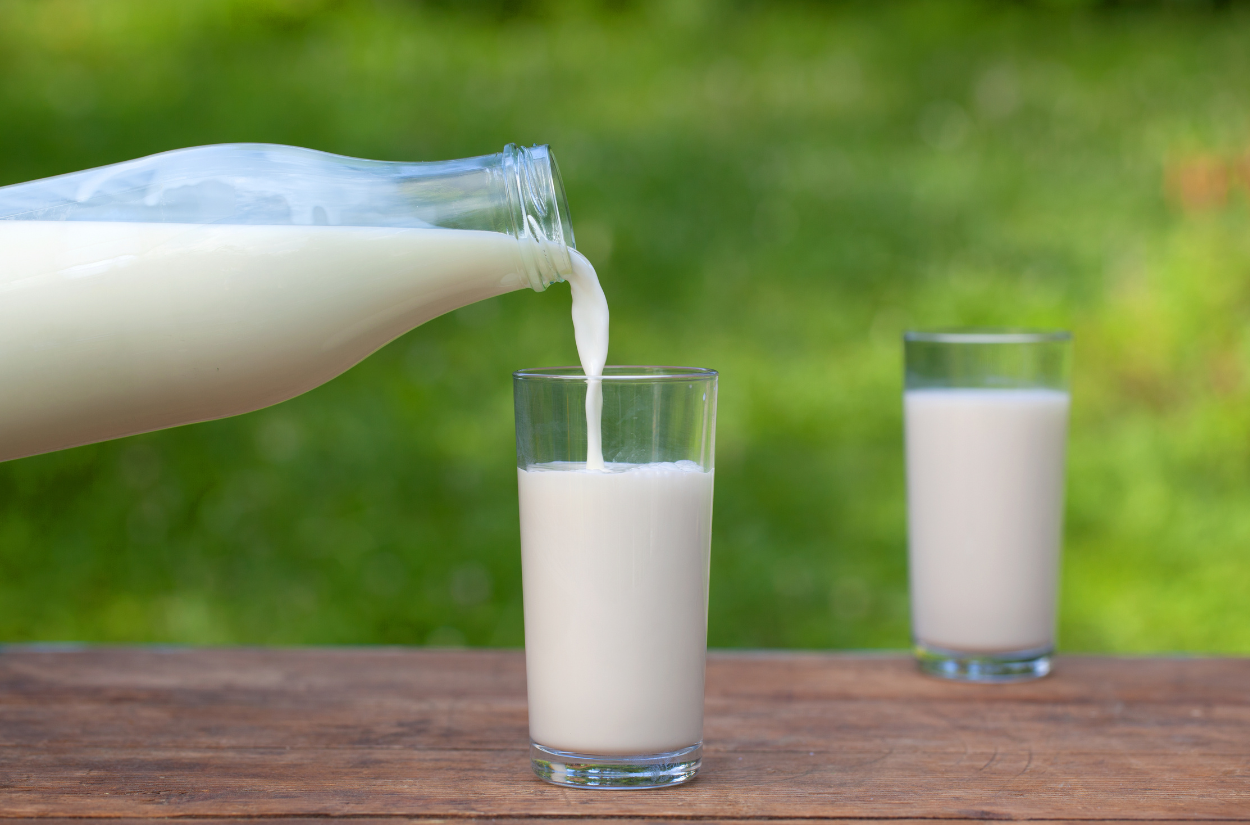
Whole milk is officially back on the menu in school cafeterias, and for New York dairy, that’s an important development. With the passage of the Whole Milk for Healthy Kids Act, schools participating in the National School Lunch Program can once again offer whole milk alongside other milk options.
For years, school milk choices were limited to low-fat and fat-free varieties. Now, students have more flexibility, schools have more room to meet kids where they are nutritionally, and dairy farmers will see renewed demand.
This change reflects evolving nutrition science and a growing understanding that offering realistic, appealing options can help kids actually drink the milk they’re served.

What the Whole Milk for Healthy Kids Act Does
The Whole Milk for Healthy Kids Act of 2025 updates long-standing school nutrition rules tied to milk. At its core, the law allows schools to expand school milk options while maintaining nutrition standards.
Key provisions of the Whole Milk for Healthy Kids Act
Schools may now offer whole, reduced-fat, low-fat, and fat-free milk in flavored or unflavored varieties and in organic or conventional forms. Lactose-free milk and nutritionally equivalent nondairy beverages will remain available for students who need them.
The law also gives parents or legal guardians the ability to submit dietary accommodation notes, expanding access beyond physician-only documentation.
Another important shift is how milk fat is treated in school meals. Under the updated rules, milk fat from fluid milk is excluded from saturated fat calculations used to evaluate meal compliance. This removes a regulatory barrier that previously discouraged schools from offering whole milk.
Together, these updates allow schools to serve milk in ways that better reflect both nutrition science and student preferences, while staying aligned with federal guidelines.
School Milk Policies Support New York Dairy
New York dairy farms are deeply connected to school nutrition. Milk served in cafeterias supports not only student health, but also local supply chains, processors, and farm families across the state.
When kids have access to milk they’re more likely to choose and finish, consumption tends to increase. That matters because milk is a reliable source of protein, calcium, vitamin D, and other essential nutrients that children rely on. Whole milk, in particular, provides these nutrients in a form that can support satiety and help with the absorption of fat-soluble vitamins.
For New York dairy producers, expanded milk options at school meals can translate into steadier demand. School nutrition programs are one of the most reliable, large-scale markets for milk, providing stability that dairy farms depend on.
This legislation also reinforces what many farmers and nutrition experts have been saying for years. Dairy nutrition isn’t one-size-fits-all, and offering choices can be a practical way to support healthier outcomes.

More Opportunity for New York Dairy
The return of whole milk to school lunches is more than a menu update. It’s a signal that nutrition policy is evolving alongside research and that dairy continues to play a trusted role in feeding kids well.
For New York dairy farms, this moment represents an opportunity for stronger connections between farms and schools, increased visibility for milk’s nutritional value, and renewed support for local agriculture.
As schools begin implementing these changes, New York dairy stands ready to deliver the same high-quality milk families know and trust.