
Edelweiss Farms: Three Generations of Dairy Farming Grounded in Cow Care
In Western New York, Edelweiss Farms has been growing for more than six decades. The farm began in 1960, when John Borer's grandfather started out with just 60 cows. Each generation since has carried the same goal forward. They kept improving, one step at a time, so the farm would be ready for whoever came next.
John's grandfather was a farmer with a scientist's curiosity. He earned his doctorate studying earthworms and the benefits they bring to farm soil. In 1970, he put in one of the first milking parlors, a dedicated space where cows are milked in groups, and the farm continued to grow from there.
In the 1980s, John's father came back to the farm and began taking over. The herd had reached about 250 cows by then, and under his leadership it grew to 1,000. That was when John returned home from college, and Edelweiss has kept growing ever since.
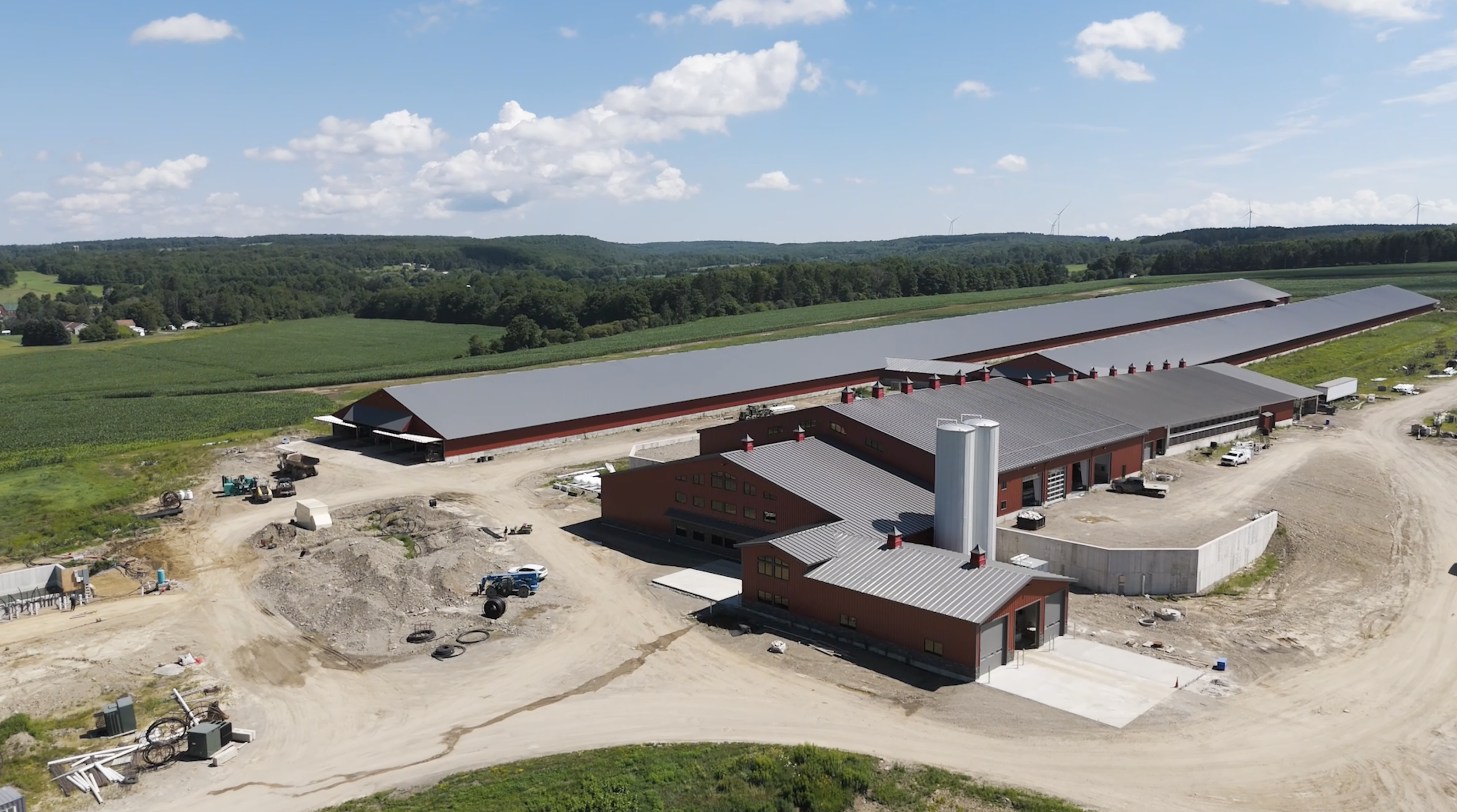
From the start, John's vision was to grow the farm efficiently and set it up for future generations, including his own children, who are the fourth generation at Edelweiss Farms. The farm's latest phase of expansion is part of that plan. John sees it as a way to prepare the next generation for success while helping the cows and the people who care for them do better every day.
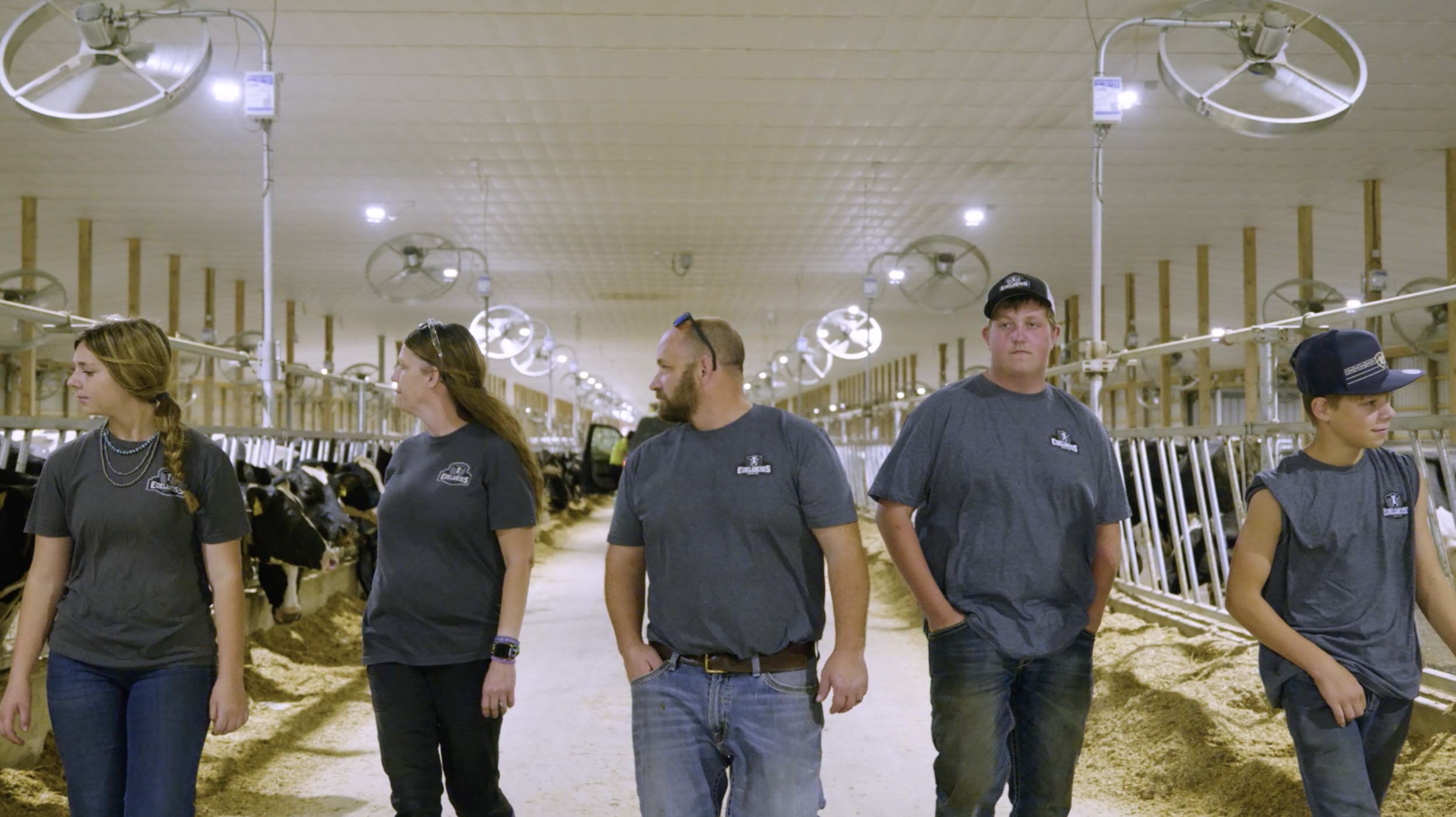
John knows some people have doubts about large dairy farms and wonder whether animals get the same care on a bigger operation. He would argue that Edelweiss gives its cows the best care possible, because the farm has both the technology and the trained people to look after them every day.
Those people are central to how the farm runs. John describes each manager as critical because of what they bring to the operation. Everyone sets their own goals, and at the end of the day those goals come together around healthier animals, more productive people, and a more sustainable way of growing crops.
The farm's new facility is built around cow comfort. Cows rest in stalls deeply bedded with sand, and steady airflow keeps fresh air moving through the barn. In summer, sprinklers and soakers help the cows stay cool so they don't feel the swings of the seasons as much. John expects the new barns to bring healthier cows and, with them, higher milk production.
The layout also makes daily work safer and calmer. After milking, a cow can walk right back to the barn, and she never has to wait for feed or water. There are no gates to move with a crowd of cows behind them, so animals never rush through all at once. A new sorting system automatically sets aside cows that need a health check and holds them in a quiet area with little handling, so each cow stays calm while someone takes care of her.
Growth at Edelweiss is balanced against the land. The farm keeps its number of cows in line with the acres it takes to grow their feed and put their manure to use as fertilizer for the crops. Manure is separated into solids and liquids, and with help from a crop management partner, the team tracks how much each field can receive and which it needs more of. Healthier crops lead to healthier cows, and as John puts it, healthier cows always mean more production.
John also sees why dairy keeps growing in Western New York. The climate suits cows well, and with fans, soakers, and good living conditions, the farm manages summer heat without much trouble.
Growing up on a dairy farm was one of the greatest experiences of John's life. It made him who he is as a person and as a farmer, and it helped him raise children who work hard and value animals and the environment. Building a business his family can come back to someday, he says, "just warms my soul."
From his grandfather's 60 cows to the farm his children may one day return to, John Borer carries forward three generations of care for animals, land, and people. That is what makes him, and Edelweiss Farms, New York Dairy.
Watch our spotlight video on Edelweiss Farms here: https://youtu.be/XXfdITBCmJY
