
Every dairy farm runs on a simple equation. What the milk sells for has to cover what it costs to produce it, and feed is usually the largest share of that cost.
When milk prices drop or feed costs climb, the space between them narrows quickly. A few tight months can strain cash flow, push back equipment repairs, and make the year ahead harder to plan. Farmers can’t control either market, but they can prepare for the swings.
Dairy Margin Coverage is one of the USDA dairy programs built to provide that financial protection. With enrollment for 2027 now open, it’s a good time to look at how the program works and what has changed.
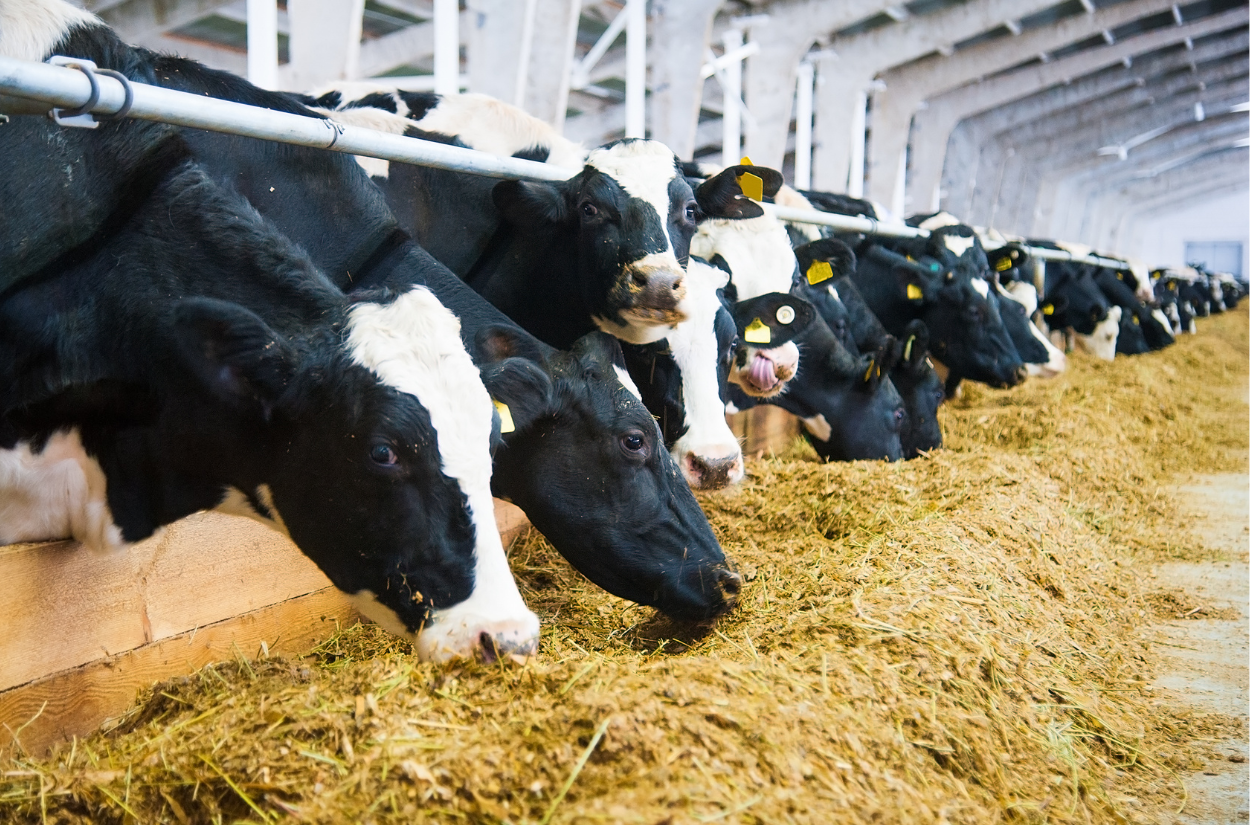
What Is the Dairy Margin Coverage Program?
Dairy Margin Coverage, or DMC, is a voluntary risk management program run by the USDA’s Farm Service Agency. It tracks the margin between the national all-milk price and the average cost of feed. Since that margin reflects what’s left after feeding the herd, it gives a useful picture of a farm’s financial health.
USDA calculates the national margin every month. If it falls below the coverage level a farmer has chosen, the program pays the difference on the covered portion of that farm’s milk.
Farmers choose a coverage level between $4.00 and $9.50 per hundredweight (100 pounds of milk). They also decide how much of their production history to cover. The $4.00 level has no premium beyond a $100 annual administrative fee, and higher levels carry a premium that rises with the protection.
What’s New for 2027 Dairy Margin Coverage
The program’s latest improvements took effect in 2026 and remain in place for 2027. Federal legislation reauthorized the program through 2031, so farmers can count on it as a steady part of their planning for years to come.
The biggest change involves Tier 1, the portion of a farm’s milk eligible for the lowest premiums and the highest coverage levels. Tier 1 now covers up to 6 million pounds of production history, up from 5 million. Milk above that amount falls under Tier 2, which has higher premiums and a lower coverage ceiling. Premium rates for both tiers stayed the same.
Production histories were also updated. Established farms now use their highest annual milk marketings from 2021, 2022, or 2023. Farms that began marketing milk after January 1, 2023, use their first year of production.
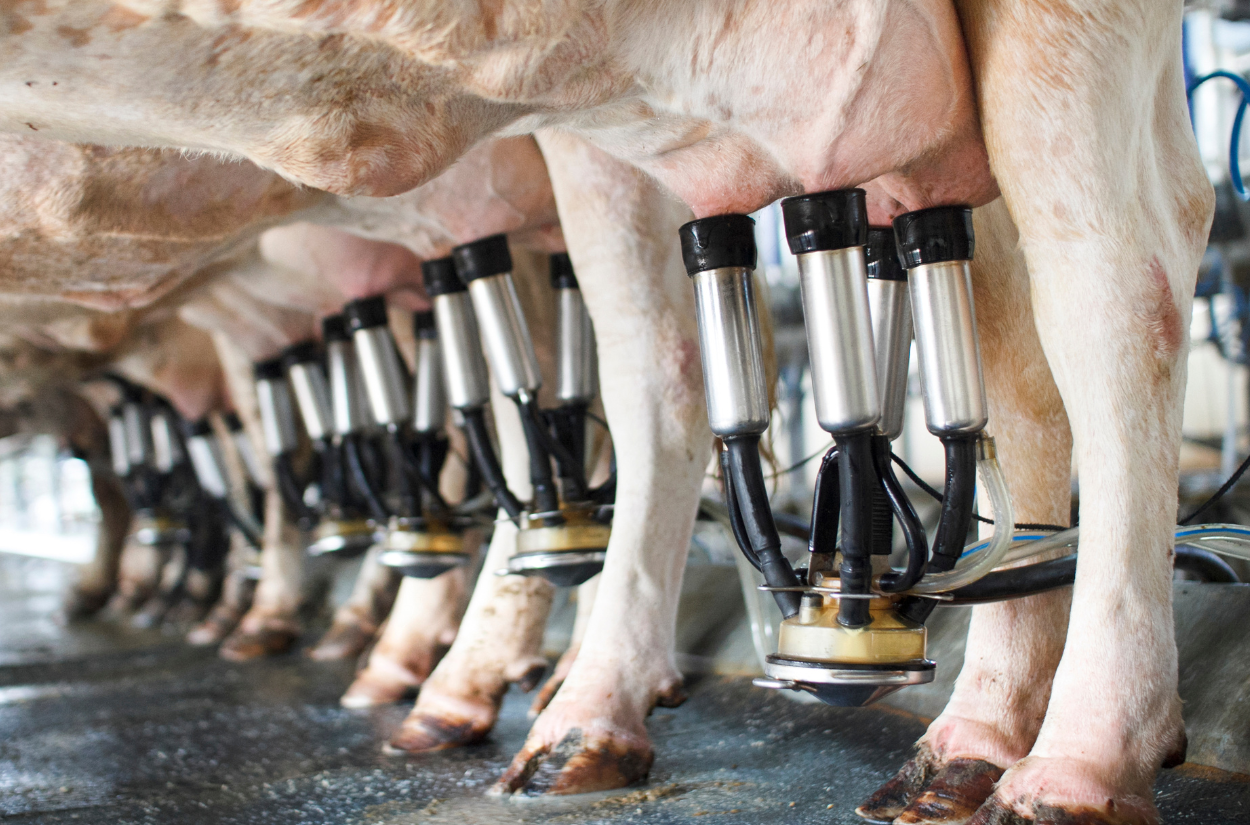
How DMC Supports New York Dairy Farmers
New York’s dairy industry is made up largely of family farms, and many of them run small and mid-sized herds. For these operations, the higher Tier 1 limit means more of their milk qualifies for the program’s most affordable protection.
The updated production histories help as well. A farm that has grown or changed since its last history was set can now be covered based on how it operates today.
Because DMC relies on national averages, it won’t capture every cost a New York farm faces, including regional feed prices, labor, and fuel. It works best as one layer of a broader dairy farm risk management plan, alongside a farm’s own budgeting and guidance from lenders or advisors.
Before You Enroll in DMC for 2027
DMC enrollment for 2027 runs from October 5 through December 18, 2026, through local Farm Service Agency county offices. Farms that miss the window will need to wait for the next coverage year.
To qualify, an operation must commercially market milk from cows, provide production records, and meet USDA conservation compliance requirements. During enrollment, farmers select a coverage level and the share of production history they want covered. USDA’s online dairy decision tool can help them compare options before they commit.
Farms that locked in coverage for 2026 through 2031 keep their coverage level and their 25% premium discount, but they still have steps to complete each year. They need to certify that they are marketing milk, sign a DMC contract, and pay the $100 administrative fee before the deadline.
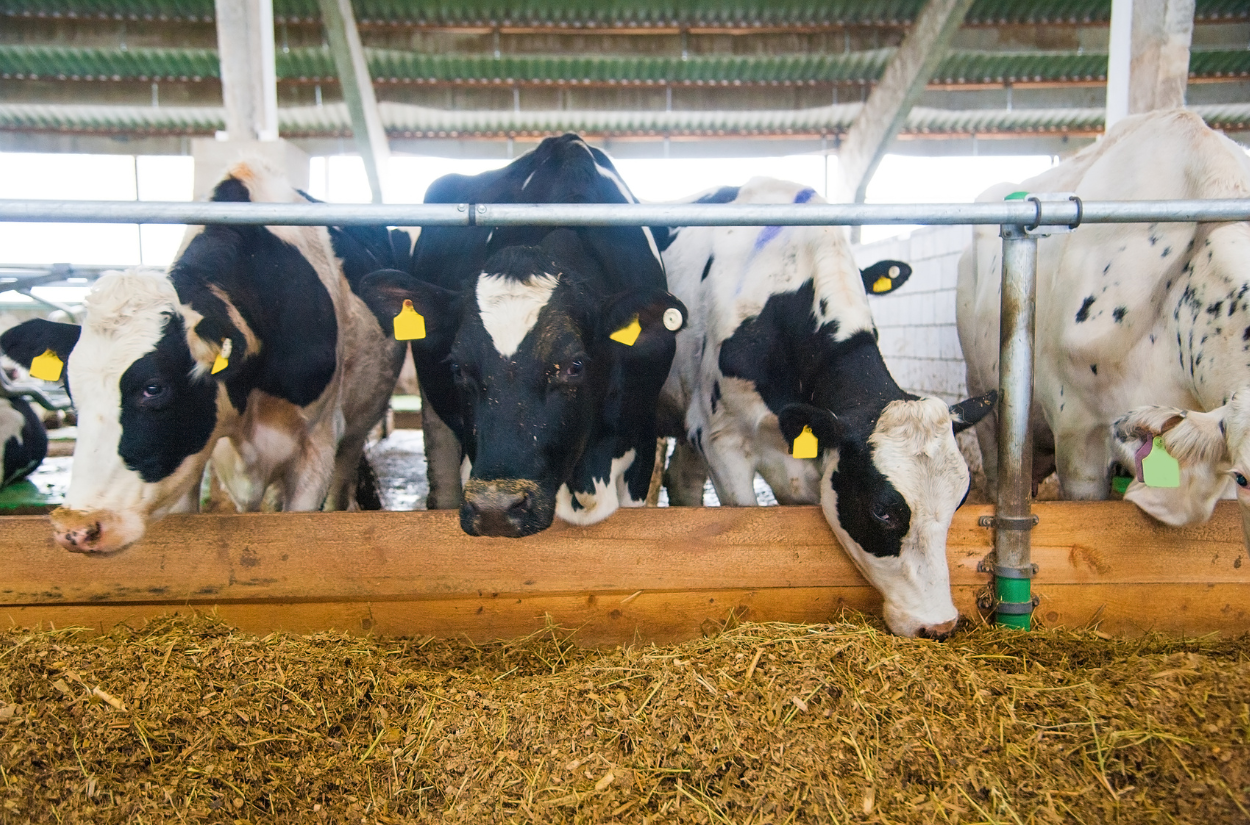
Supporting the Future of New York Dairy
Markets will always move. Farms stay steadier when tools are in place before the hard months arrive, so a dip in milk prices or a jump in feed costs doesn’t put years of work at risk.
Programs like Dairy Margin Coverage give farmers a measure of stability that reaches well past the farm gate, to the families who run these operations and the rural towns and businesses that depend on them. When New York’s dairy farms can plan with confidence, the whole industry is better prepared for whatever the markets bring.
