
A $650 million dairy facility might sound like a big business story, but at its core, it is also a story about New York dairy farmers. The Coca-Cola Company and fairlife have begun ramping up production at a new 745,000-square-foot facility in Webster, New York, that is expected to receive five to six million pounds of milk from New York dairy farms each day.
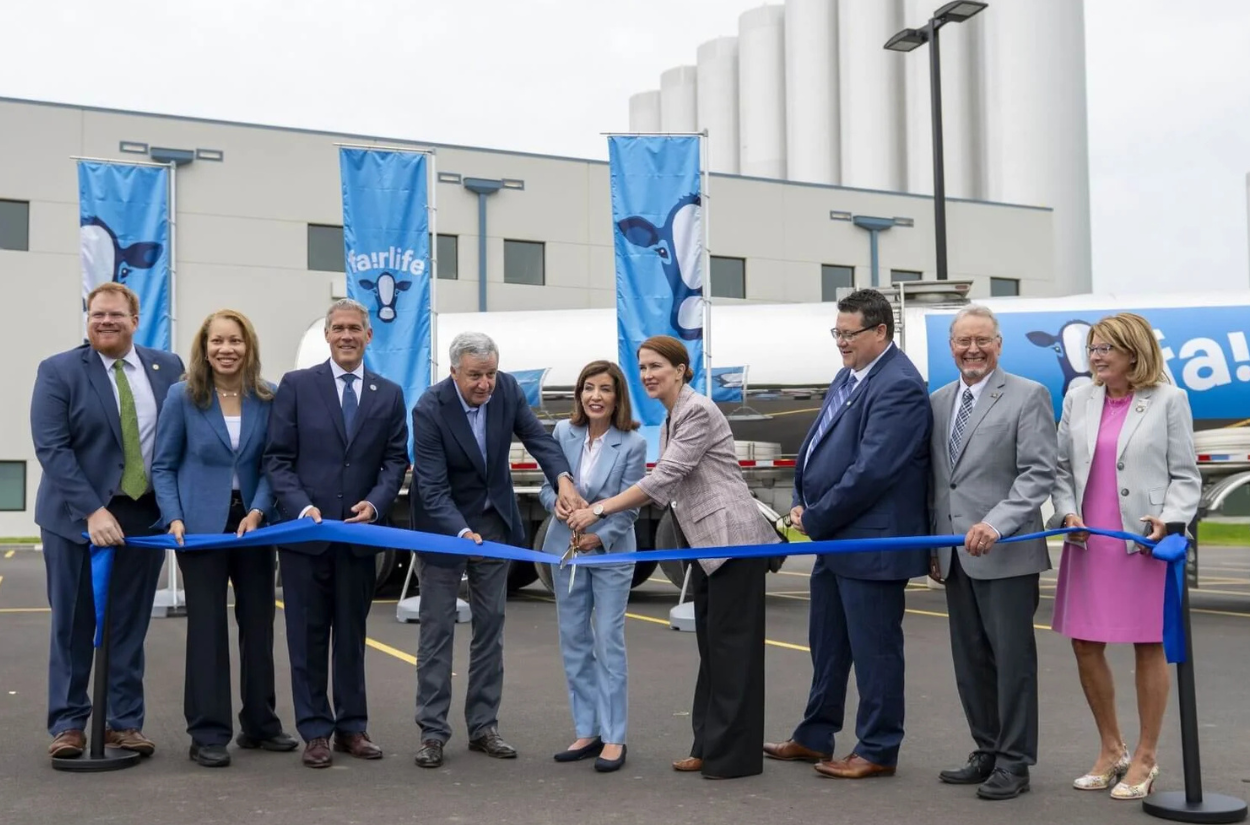
A $650 Million Investment in New York Dairy
The scale of the Webster facility is significant. The $650 million investment brings new dairy processing capacity to New York at a time when the state already produces more than 16.6 billion pounds of milk annually.
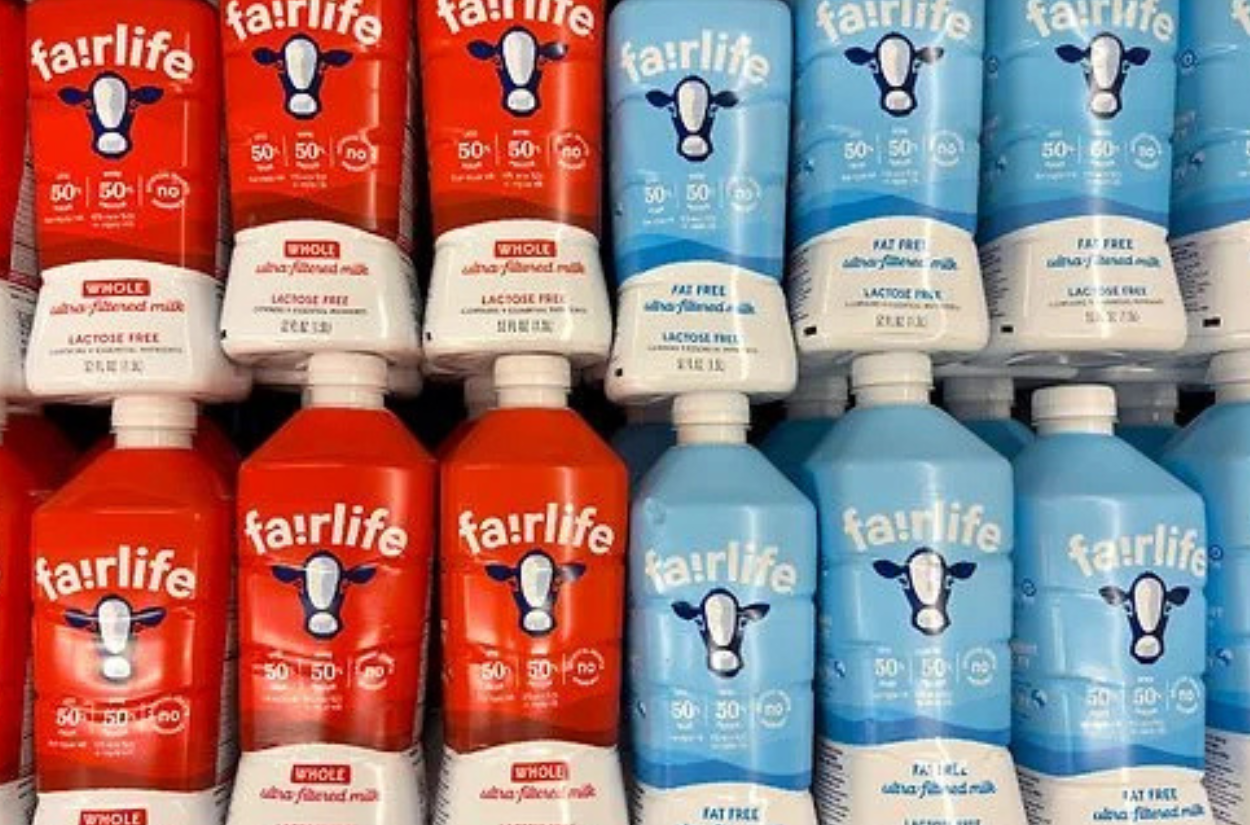
The facility will produce fairlife’s growing lineup of dairy beverages, including fairlife ultra-filtered milk, Core Power protein shakes and fairlife Nutrition Plan shakes. The company uses an ultra-filtration process to separate components of milk and recombine them to create products with higher protein and less sugar than traditional milk.
For New York’s dairy industry, the investment adds another major processing destination for milk produced within the state and helps connect that milk with consumers through a growing category of value-added dairy products.
What fairlife’s New York Facility Means for Dairy Farmers
Processing capacity is an important part of a healthy dairy supply chain, connecting milk produced on farms with the products consumers ultimately find in stores. A facility capable of receiving five to six million pounds of milk per day represents substantial capacity within that system.
For New York farmers, fairlife’s presence creates another major market for locally produced milk. It also demonstrates continued investment in dairy processing within the state, helping support an industry made up of nearly 2,700 dairy farms.
The relationship works in both directions. A processing facility of this size needs access to a large, consistent supply of high-quality milk, and New York dairy farmers are positioned to provide it.
Jobs and Economic Growth
The project has already created approximately 380 full-time jobs, bringing new employment opportunities to Webster and the greater Rochester region. Its development has also led to investments in infrastructure that can benefit the surrounding community, including upgrades to Webster’s wastewater treatment system and local electrical infrastructure.
That ripple effect is one of the reasons dairy remains so important to communities across New York. Farms are part of a much larger network that includes processors, transportation, manufacturing, suppliers and other businesses that help move dairy products from the farm to consumers.
When investment comes into one part of that network, its impact can reach well beyond the walls of a single facility.
Why fairlife Chose New York
New York was a natural fit for an investment centered around dairy. The state is the fifth-largest dairy producer in the country and the leading milk producer in the Northeast. Nearly 2,700 dairy farms produce more than 16.6 billion pounds of milk each year, while nearly 300 dairy processing plants operate across the state.
That existing dairy infrastructure gives companies access to something essential: a well-established supply of milk backed by generations of dairy farming experience.
New York also offers the broader resources needed to support dairy manufacturing, including transportation networks, skilled workers, research and agricultural expertise and an established food-production sector. The Webster facility will add to that foundation by bringing together New York milk, local infrastructure and large-scale processing in one of the state’s strongest agricultural regions.
How Milk Becomes Dairy Products
For consumers, a bottle of fairlife milk or a Core Power protein shake is a finished product. Behind that product, however, is a much longer dairy supply chain that begins on the farm.
Every day, New York dairy farmers care for their herds, manage their farms and produce the milk that makes dairy manufacturing possible. At the Webster facility, millions of pounds of that milk can be processed into products that reach consumers well beyond New York.
That connection is an important part of the story. As consumer preferences evolve and new dairy products grow in popularity, investments in processing help create additional ways for milk produced on New York farms to reach the marketplace.
Investing in the Future of New York Dairy
A $650 million facility is a major investment, but its significance goes beyond the building itself. The fairlife facility represents increased dairy processing capacity, hundreds of jobs, investment in local infrastructure and, importantly, a major market for milk produced by New York dairy farmers.
New York’s dairy industry has long been built on the work of farmers and the communities that support them. Investments like this one strengthen the connections between farms, processors and consumers while creating new opportunities for New York milk.
With billions of pounds of milk produced each year and a growing network of dairy processing facilities, New York continues to demonstrate why it remains one of the nation’s leading dairy states, and why its dairy farmers remain at the heart of that success.
