
Why Farmers Are Already Thinking About Winter
The corn is still tall and the evenings are still warm, but walk onto a New York dairy farm in late summer and you'll find someone already thinking about February.
Fall is when the year's big decisions get made. What gets harvested, stored, repaired, and stocked over the next several weeks sets the tone for how the whole farm runs once the cold moves in. For dairy farmers, the shift into fall is less about wrapping up the season and more about opening the next one.
Taking Stock of the Feed Supply
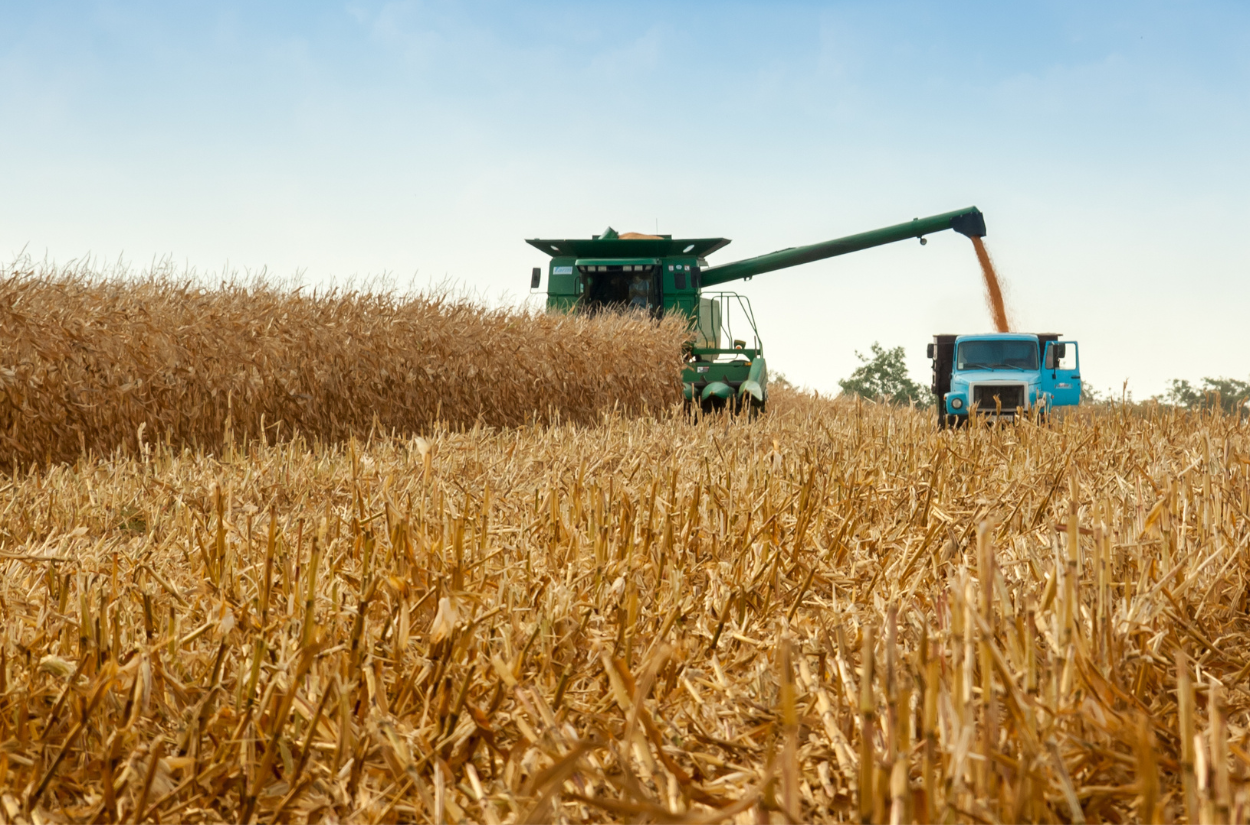
Feed is the first thing on the list. By early fall, a farmer has a clear sense of what this year's harvest brought in and whether the barns and silos hold enough to carry the herd from the first frost through to spring.
Cows also eat more when it's cold, since staying warm takes energy. Farmers weigh that against the size of the herd and the length of a New York winter, then plan their reserves accordingly. If the numbers look tight, fall is when there's still time to make a plan.
Dairy Farm Maintenance Before Winter
Once the feed plan is set, attention turns to the buildings and equipment. Plenty of winter trouble on a farm starts as a small thing left unchecked in September.
Water systems get the closest look. A frozen pipe or waterer can cut a herd off from drinking water in the worst possible weather, so farmers go through lines, insulation, and heaters before the first hard freeze. Barns get the same care, from ventilation that keeps the air fresh without letting in a draft to bedding that keeps cows dry and warm.
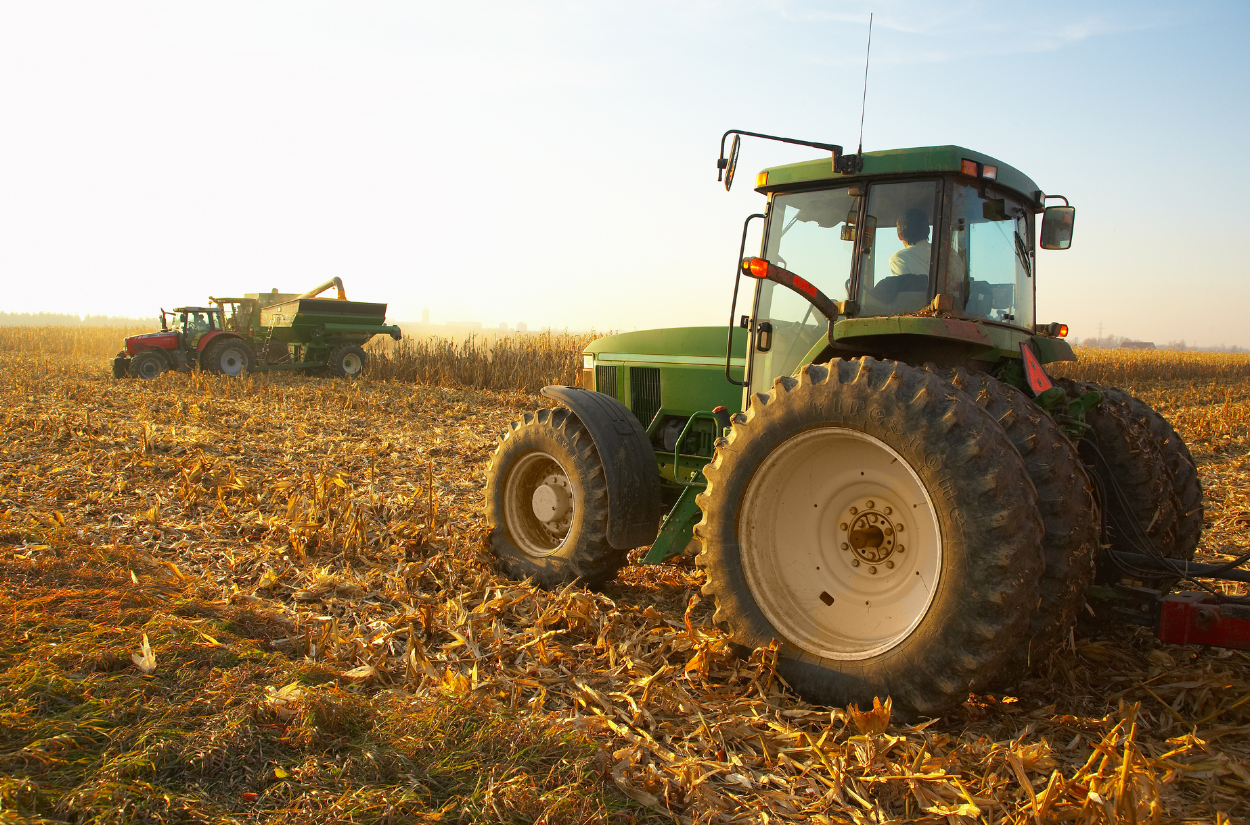
Equipment matters just as much. Tractors, skid steers, and manure systems all have to run in the cold, so fall is when they get serviced. A machine that quits in a snowstorm is a far bigger problem than one caught early, and this stretch of dairy farm maintenance is what keeps small problems from becoming winter emergencies.
Cow Care Through the Cold Months
Every one of these tasks points back to the same place, which is the health and comfort of the herd. Cow care is the reason the feed gets counted and the waterers get checked.
Cows can be comfortable in cold weather when they're dry, well fed, and out of the wind, so farmers build the winter setup around those conditions. Housing gives the herd room and shelter, and water stays within reach even on the coldest mornings.
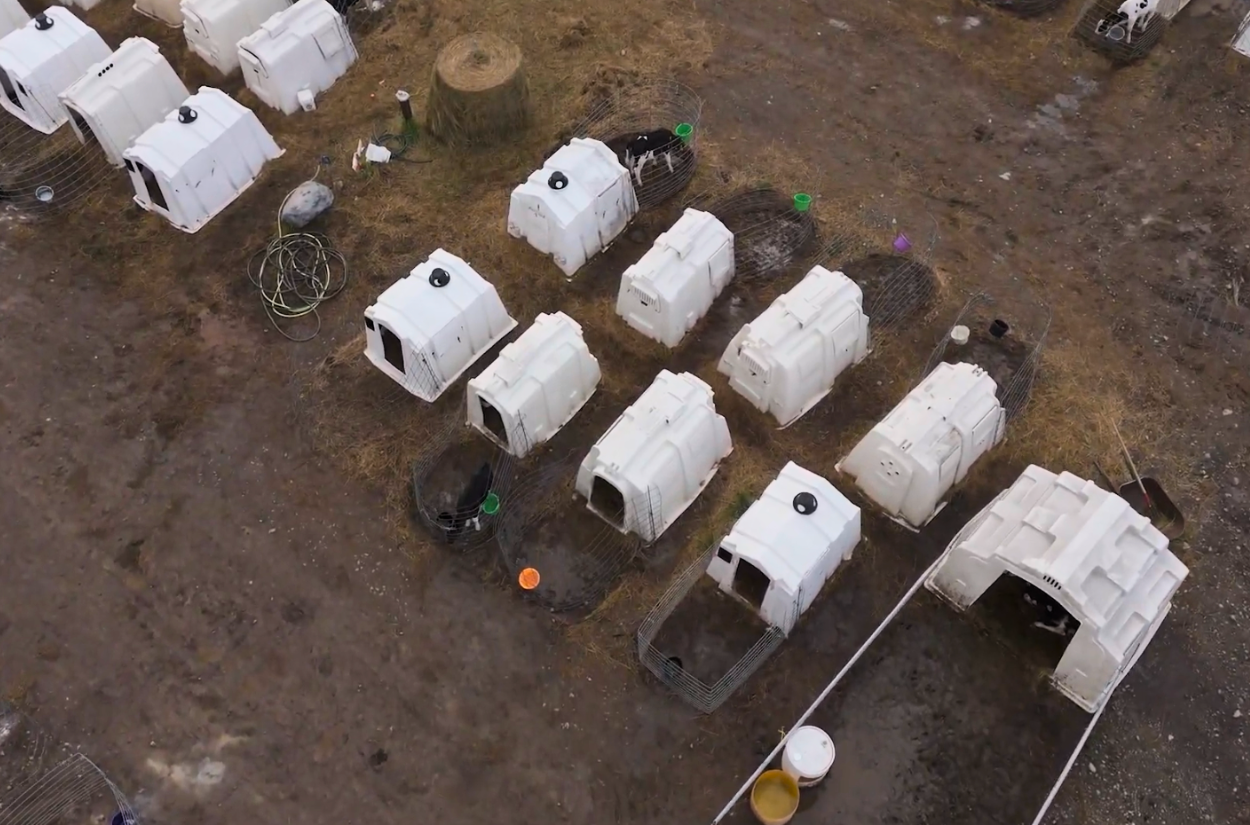
Calves get extra attention. Young animals feel the cold more than grown cows do, so farmers plan ahead for warmer bedding, sheltered housing, and sometimes calf coats to get them through their first winter in good shape.
Winter Preparation on New York Dairy Farms
New York weather doesn't give much warning. A mild week can turn into an ice storm, and a farm that is ready will handle the sudden change in weather much better.
Preparation is what keeps the daily routine steady. Cows do best on consistency, and a farm that has planned ahead can keep milking, feeding, and cleaning on schedule no matter what the weather is doing.
Fall on a Dairy Farm Means Planning Ahead
Winter is still a few weeks off, but on New York dairy farms the work is already underway. Good dairy farming has always meant thinking several seasons ahead, and the planning happening this fall is what keeps the herd healthy and the milk moving once the snow arrives.
So the next time you pour a glass of milk in the middle of January, there's a fair chance it traces back to a decision someone made in late summer. That steady, look-ahead care is what New York's dairy farmers do best, one season into the next.
