
How Dairy Farmers Keep Cows Comfortable During the Summer
Summer in New York brings plenty of opportunities to enjoy the outdoors, but rising temperatures can also create challenges for people and animals alike. Dairy cows feel the effects of heat and humidity just like we do, which is why dairy farmers pay close attention to cow comfort throughout the summer months.
Across New York, dairy farmers make adjustments to daily routines, monitor animal wellbeing, and use specialized equipment designed to help cows stay cool and comfortable. These efforts support cow health while helping farmers provide the high-quality milk consumers enjoy every day. Caring for cows during hot weather is an important part of dairy farm animal care.
Why Heat Can Be Challenging for Dairy Cows
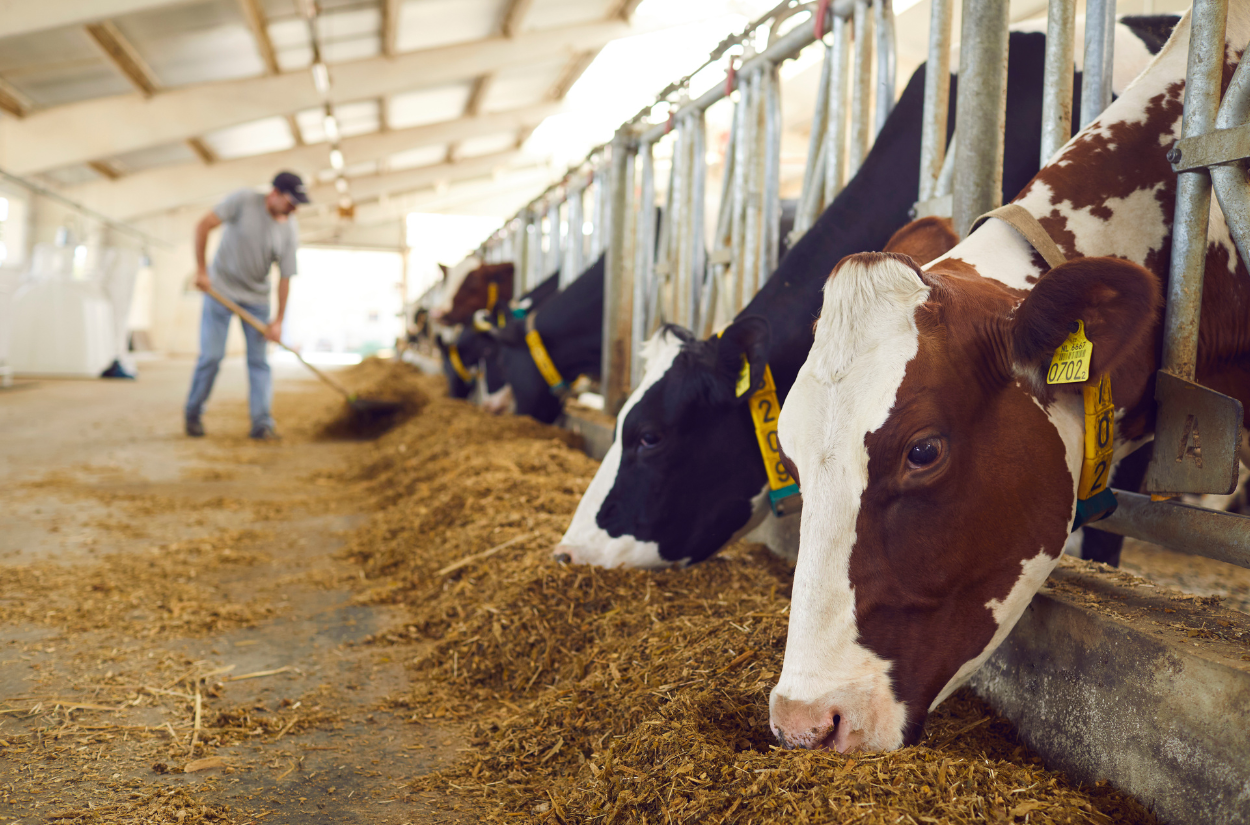
Many people are surprised to learn that dairy cows are particularly sensitive to heat. A cow's digestive system naturally generates a significant amount of internal heat as it breaks down feed, and milk production also requires a great deal of energy.
When temperatures rise, cows can have a harder time regulating their body temperature. High humidity can make conditions even more difficult because it reduces the body's ability to cool itself through natural processes.
If cows become too hot, they may eat less, spend more time standing, and show signs of discomfort. That's why farmers closely monitor weather conditions and take proactive steps to reduce the risk of dairy cow heat stress before it becomes a problem.
Fans, Misters, and Barn Ventilation
One of the most common ways farmers help keep dairy cows cool is by improving airflow throughout barns.
Many dairy barns are designed with ventilation in mind, allowing fresh air to move freely through the building. Large fans help circulate air and create a cooling breeze around resting, feeding, and milking areas.
Some farms also use misters or sprinkler systems during especially hot weather. These systems lightly wet the cows' skin, and as the water evaporates, it helps remove excess body heat. Combined with strong airflow from fans, these cooling systems can make a significant difference during periods of high temperatures.
Barn design, ventilation equipment, and cooling systems all work together to create a more comfortable environment for cows throughout the summer.
Keeping Cows Hydrated
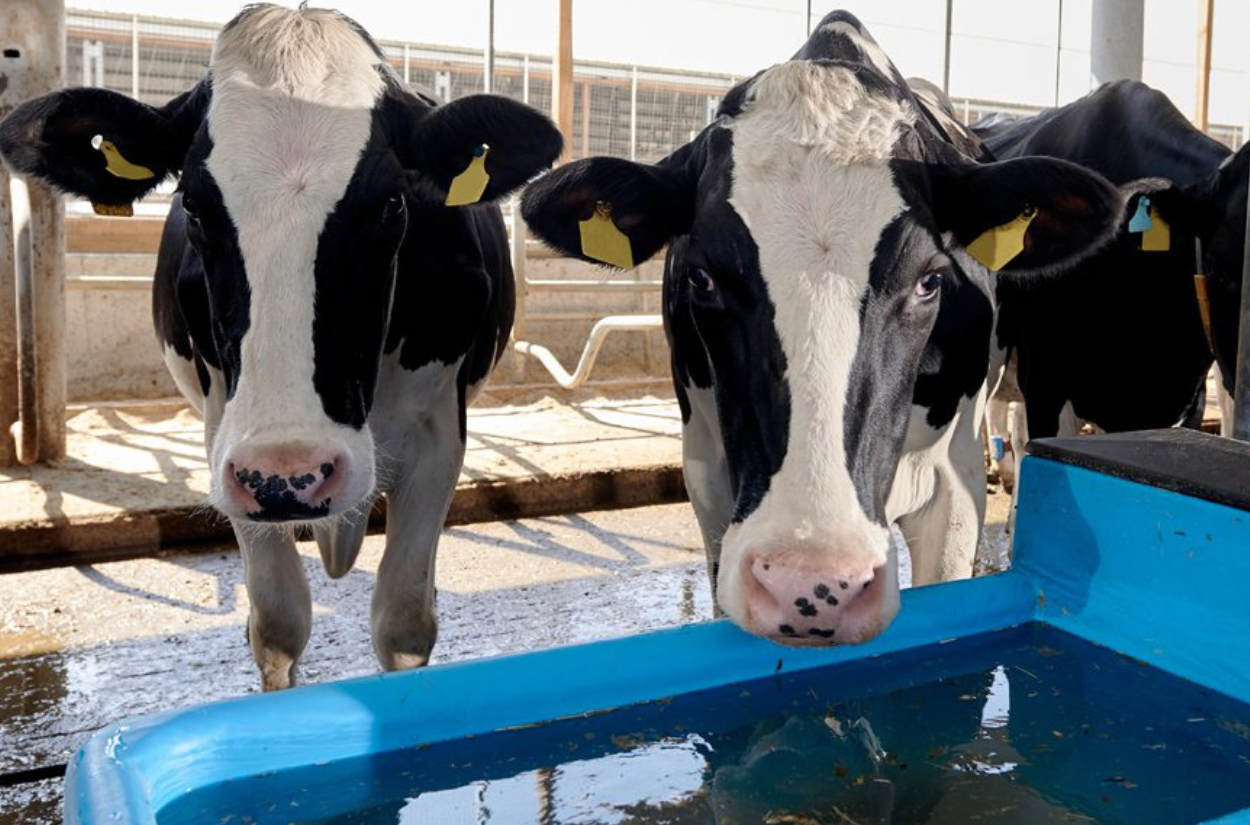
Dairy cows drink a substantial amount of water every day, and their water needs increase when temperatures climb. Proper hydration helps support normal body functions, regulate body temperature, and maintain overall health.
Farmers routinely check water troughs and watering systems to ensure cows always have access to fresh, clean water. On many farms, waterers are cleaned regularly to encourage cows to drink as much as they need.
Providing reliable access to water is one of the simplest and most important ways farmers support cow comfort during the summer months.
Nutrition and Feeding Adjustments During Summer
Hot weather can influence how and when cows eat. During periods of extreme heat, cows may naturally prefer to consume more of their feed during the cooler parts of the day.
To accommodate this behavior, farmers may adjust feeding schedules so fresh feed is available during early morning or evening hours when temperatures are lower.
Farmers also work closely with animal nutritionists to develop balanced feeding programs that support cow health year-round. These nutrition plans help ensure cows receive the nutrients they need while accounting for seasonal changes that may affect appetite and feeding behavior.
Every farm is different, but careful nutrition management remains an important part of keeping cows healthy during the summer.
Monitoring Cow Comfort Every Day
Technology plays an important role on modern dairy farms, but daily observation remains one of the most valuable tools farmers have.
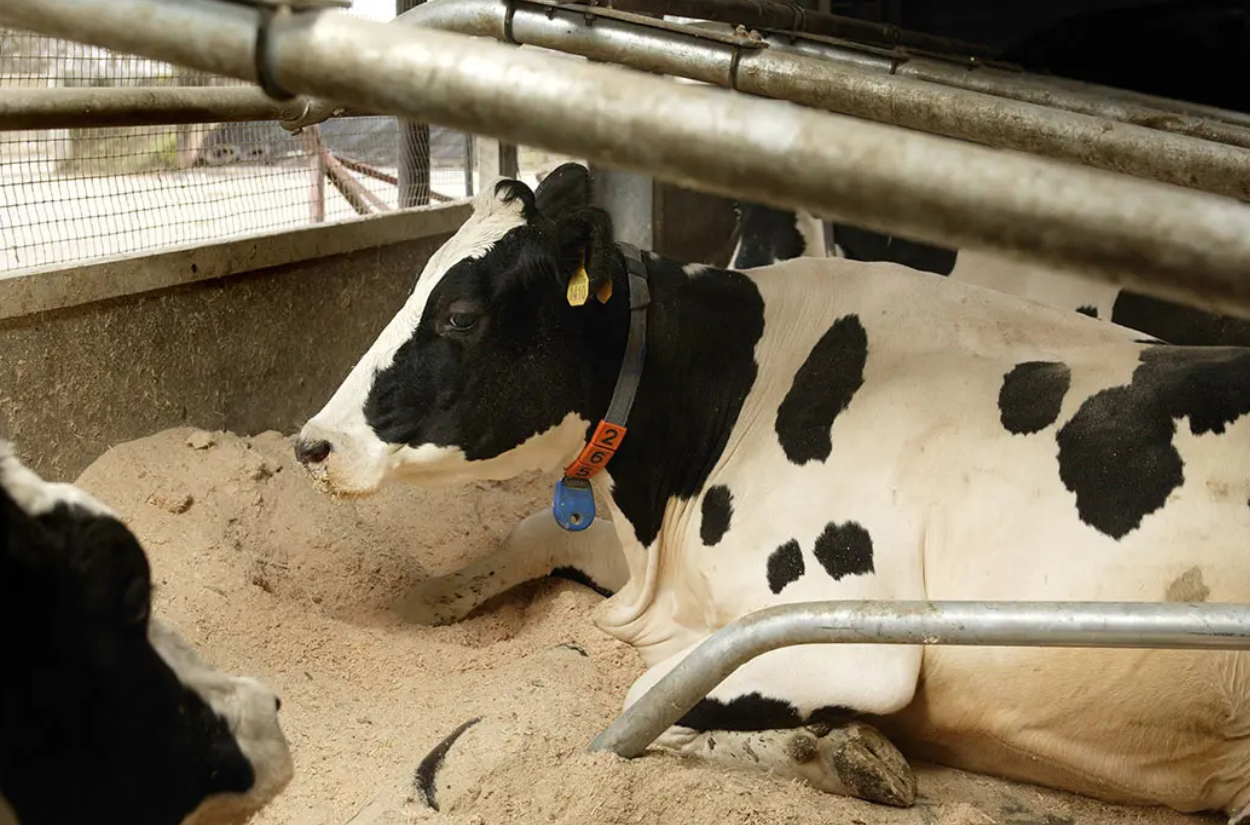
Farmers spend time with their animals every day and know what normal cow behavior looks like. They watch for signs that cows may be uncomfortable, including changes in eating patterns, activity levels, or resting behavior.
Many farms also use monitoring technologies that provide additional information about cow activity and health. These tools can help farmers identify potential concerns early and make adjustments when needed.
Because cows are observed so closely, farmers can respond quickly when weather conditions change or when individual animals need additional attention.
Why Cow Comfort Matters
Comfortable cows are generally healthier, experience less stress, and are better able to maintain normal daily behaviors such as eating, resting, and drinking water. Supporting animal wellbeing is a central part of responsible dairy farming and helps create an environment where cows can thrive. Healthy cows also produce high-quality milk, making cow comfort an important part of both animal care and milk production.
For dairy farmers, caring for their animals is not simply a seasonal task. It is a year-round commitment that influences every aspect of farm management. The investments farmers make in housing, nutrition, hydration, and daily observation all contribute to the wellbeing of their herds.
Caring for Cows Through Every Season
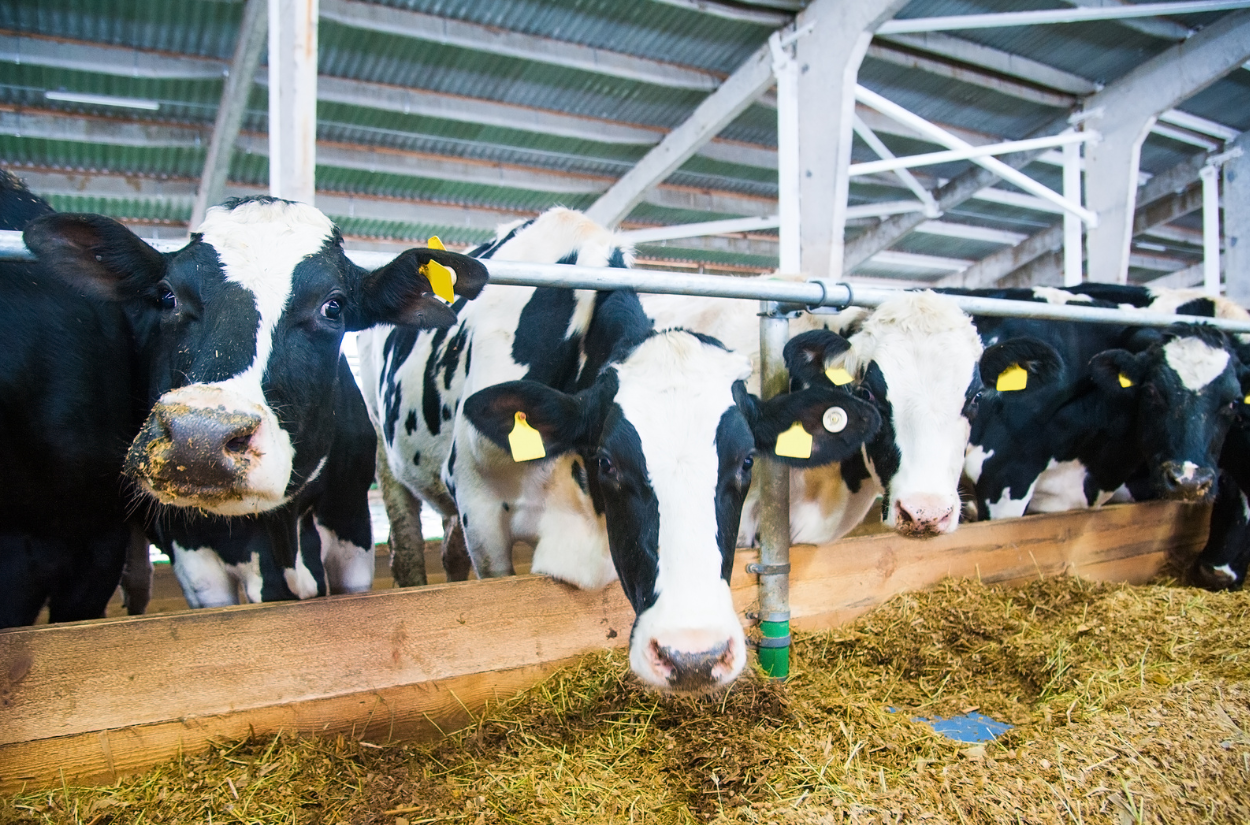
Throughout the summer, New York dairy farmers work every day to help cows stay cool, comfortable, and healthy.
Whether it's using fans and sprinklers, ensuring constant access to fresh water, adjusting feeding schedules, or closely monitoring animal behavior, farmers take a proactive approach to managing summer heat. These efforts reflect the dedication dairy farmers have to animal wellbeing and the care that goes into producing high-quality milk.
Behind every glass of milk is a farmer committed to caring for their animals through every season of the year.