
Summer Is One of the Busiest Seasons on a Dairy Farm
When most people think about summer, they think about slowing down. On a New York dairy farm, it's the opposite. The season brings longer days, more physical demands, and a to-do list that doesn't wait for cooler weather. From caring for the herd through the heat to harvesting the crops that will feed the cows all winter, summer is one of the most consequential times of year on a dairy farm.
How Dairy Farmers Keep Cows Cool in Summer Heat
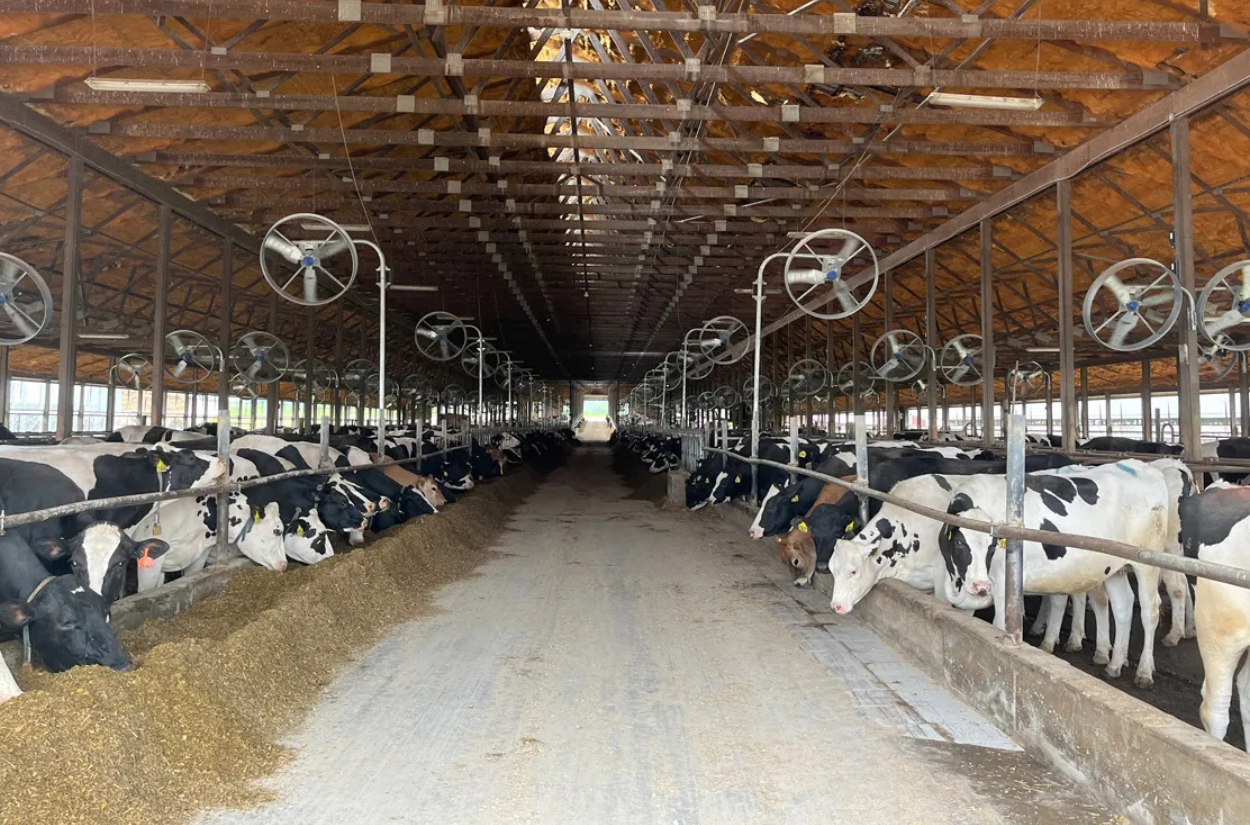
Cows are most comfortable in cooler temperatures, and summer heat can take a big toll on a herd. When cows are heat-stressed, they eat less, produce less milk, and are more vulnerable to health issues. Keeping them comfortable is both an animal welfare priority and a practical one.
New York dairy farmers use a range of strategies to manage heat through the summer months. Barns are equipped with fans and ventilation systems to keep air moving. Water access is a constant focus, as a cow in hot weather can drink upward of 30 gallons a day. To reduce the heat generated by digestion, feeding schedules are often adjusted so cows eat during the cooler parts of the day. It's careful, attentive work that happens every single day, regardless of the forecast.
Summer Crop Harvesting on New York Dairy Farms
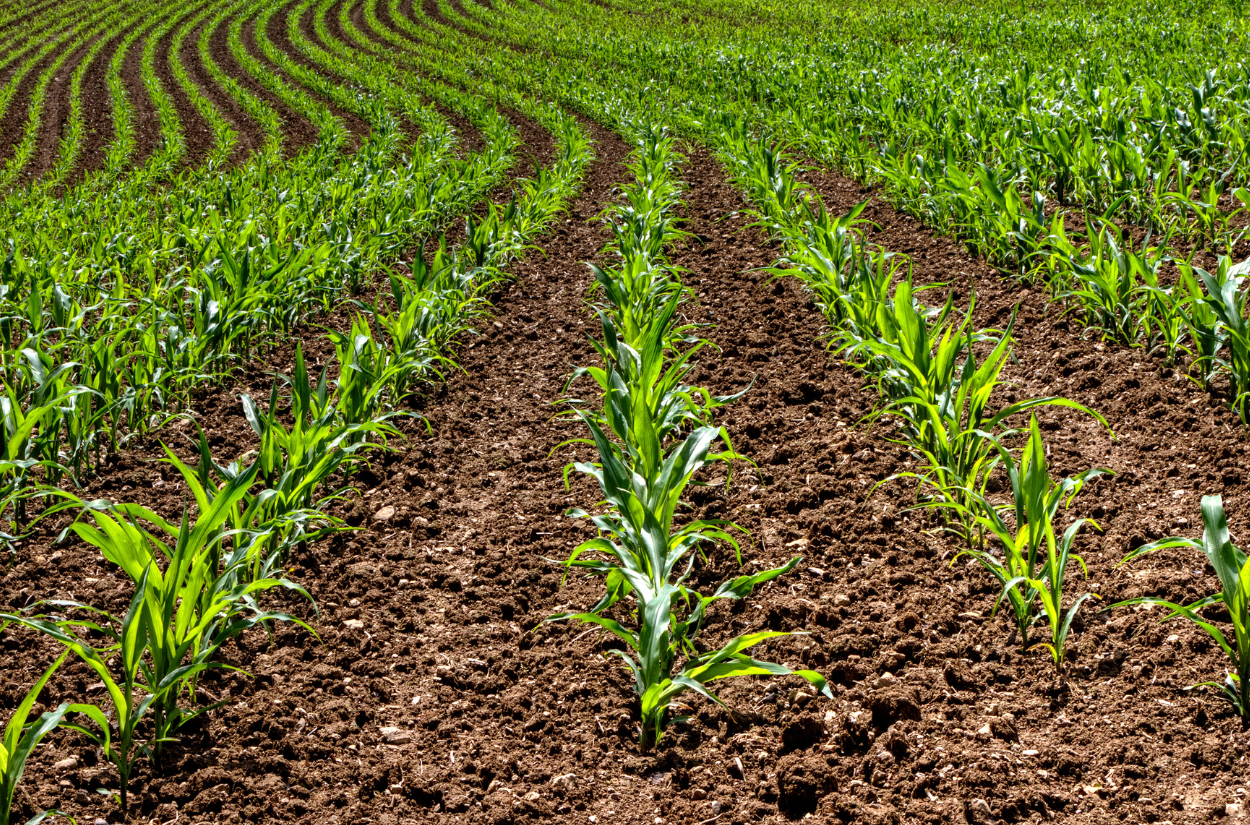
Summer is when dairy farmers turn their attention to the land. This is the season when they grow and harvest the feed that will carry their cows through the rest of the year.
Hay is cut and stored multiple times throughout the summer months. Corn, which makes up a significant portion of a dairy cow's diet, is planted in spring and monitored closely as it grows through the summer. Come late summer and early fall, farmers harvest corn as silage, a fermented feed that stores well and provides essential nutrients through the winter. Getting the timing right on these harvests is critical. If cut too early or too late, the quality will suffer. New York's variable summer weather adds another layer of complexity, making planning and flexibility equally important.
The Daily Routine on a Dairy Farm
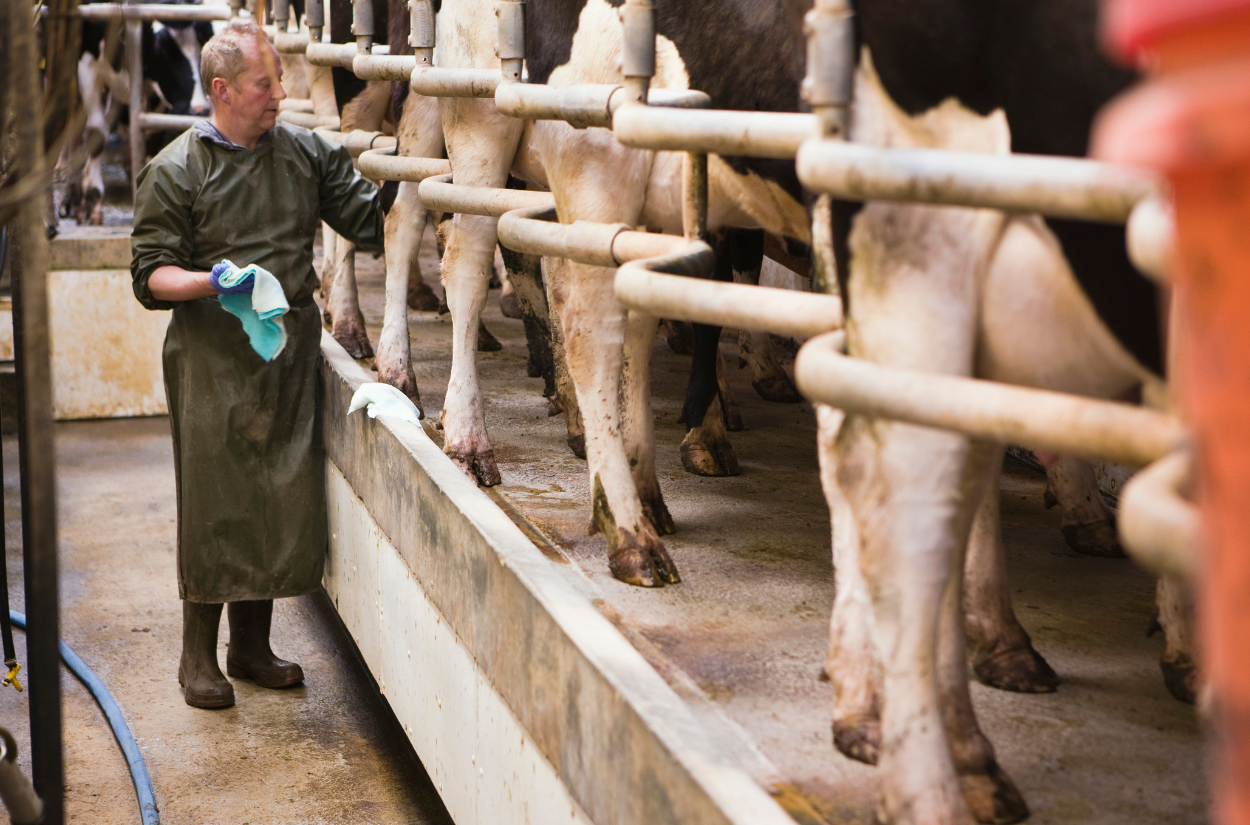
No matter what else is happening on the farm, the daily routine stays constant. Cows are milked two to three times a day, every day. They need to be fed, monitored, and cared for on a schedule that doesn't shift for weekends, holidays, or heat waves.
In summer, that routine runs alongside everything else, such as the crop work, the equipment maintenance, and the unexpected repairs that come with a season of heavy use. It takes a lot of organization and endurance to manage all of it at once, and most farm families do it with a small, close-knit team that knows the operation inside and out.
The People Behind the Summer Work
Behind every well-run dairy farm is a group of people who show up early and stay late. Farm families, longtime employees, and seasonal workers all contribute to keeping operations running smoothly through the busiest months of the year. On many New York farms, that means multiple generations working side by side, with younger family members learning the work firsthand from the people who raised them.
It's demanding work, but it's work that most dairy farming families wouldn't trade. They genuinely care about the animals, the land, and their community.
Long Days and Early Mornings
Summer on a New York dairy farm is full of behind-the-scenes work that most people never see. The early morning milkings, the long afternoons in the field, and the constant attention to animal health and crop quality all add up to a season that's as demanding as it is important. The next time you enjoy a dairy treat, it's worth taking a moment to think about where it came from. Somewhere in New York, a farmer was hard at work making sure it got there.