
From Farm to Fridge: How Milk Stays Fresh Year-Round in New York
No matter the season, New York dairy delivers. Even in the middle of winter, when snow piles up and temperatures drop, milk continues to move smoothly from local farms to grocery store shelves across the state. That reliability isn’t accidental. It’s the result of a carefully coordinated system designed to protect freshness, safety, and quality every step of the way.
Understanding milk’s farm to fridge journey in New York helps explain why consumers can trust the milk they pour into their coffee, cook with at dinner, or serve at the breakfast table 365 days a year.
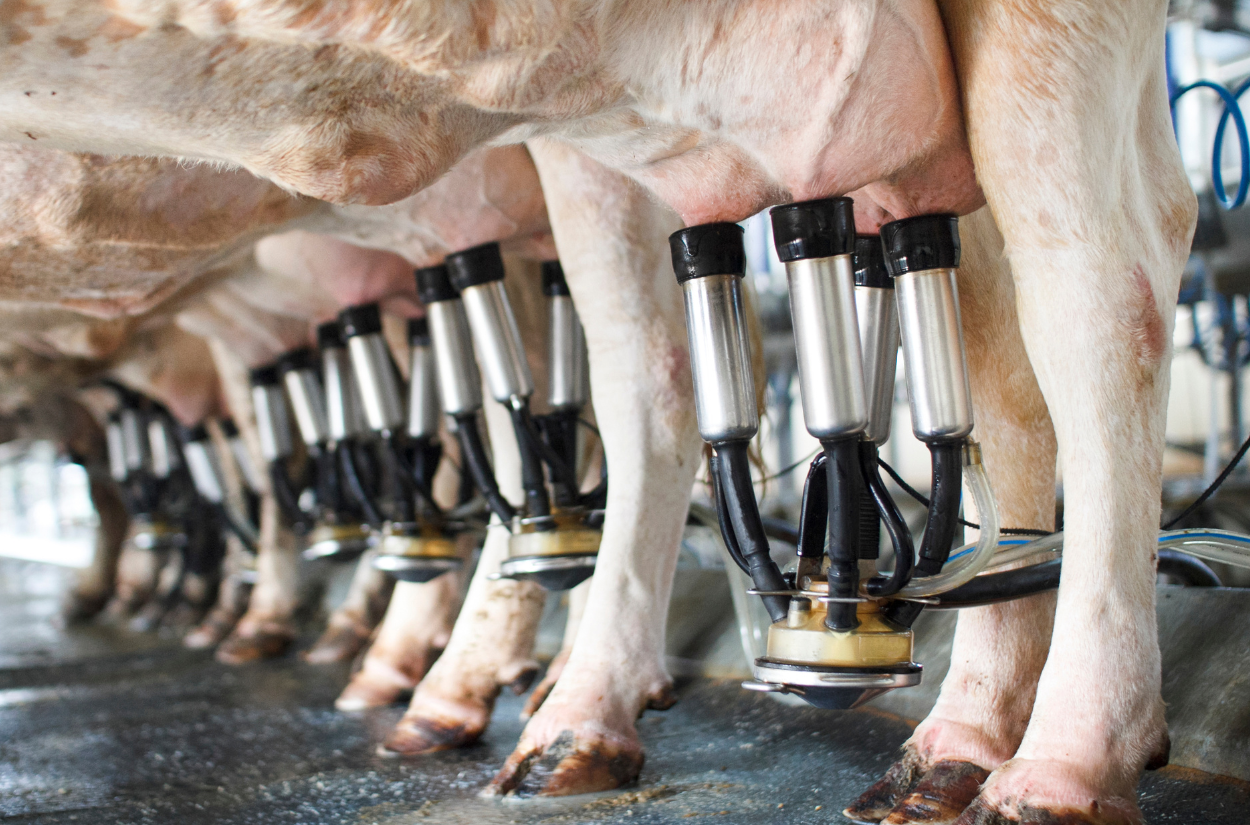
Where the Milk Supply Chain Begins
The New York milk supply chain starts on nearly 3,000 dairy farms across the state. Many are family-run operations that have cared for the same land for generations. Farmers focus on producing milk safely and responsibly, starting with the land itself. Crops grown to feed cows are often fertilized using manure, creating a closed-loop system that supports soil health and reduces waste.
Cows are cared for year-round with consistent routines that don’t change when winter arrives. They receive fresh feed and water daily, live in sheltered barns protected from extreme weather, and are monitored regularly by veterinarians. This consistency is a key reason winter milk production remains steady, even when conditions outside are harsh.
Consistency in Every Season
Healthy cows produce quality milk, and maintaining that health doesn’t pause for cold weather. Inside the barn, farmers manage lighting, ventilation, and bedding to keep cows comfortable. Clean environments and daily health checks help ensure milk meets strict quality standards before it ever leaves the farm.
Milk is cooled immediately after collection and stored at precise temperatures. This early temperature control is one of the most important steps in keeping milk fresh throughout its journey.
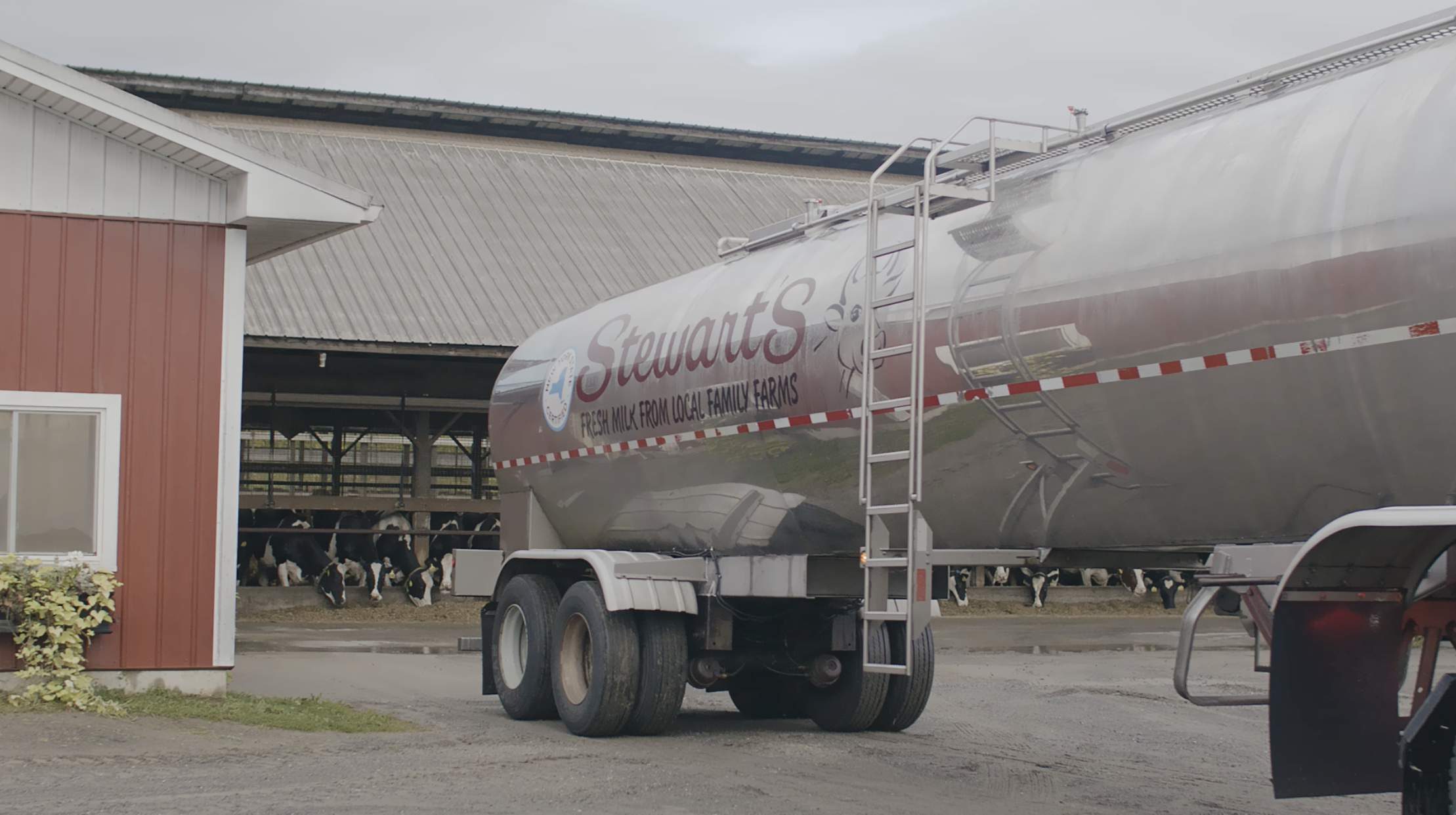
Milk Transportation
How milk gets to stores might surprise many consumers. In New York, milk often travels from farm to processing plant in about 48 hours. Tanker trucks collect milk, sometimes multiple times a day, and transport it under strict temperature controls.
Before milk is loaded onto a truck, it’s tested for safety and quality. It’s tested again when it reaches the processing facility. This double-testing system ensures that only safe, high-quality milk moves forward in the supply chain. Advanced logistics and routing also help reduce delays and environmental impact.
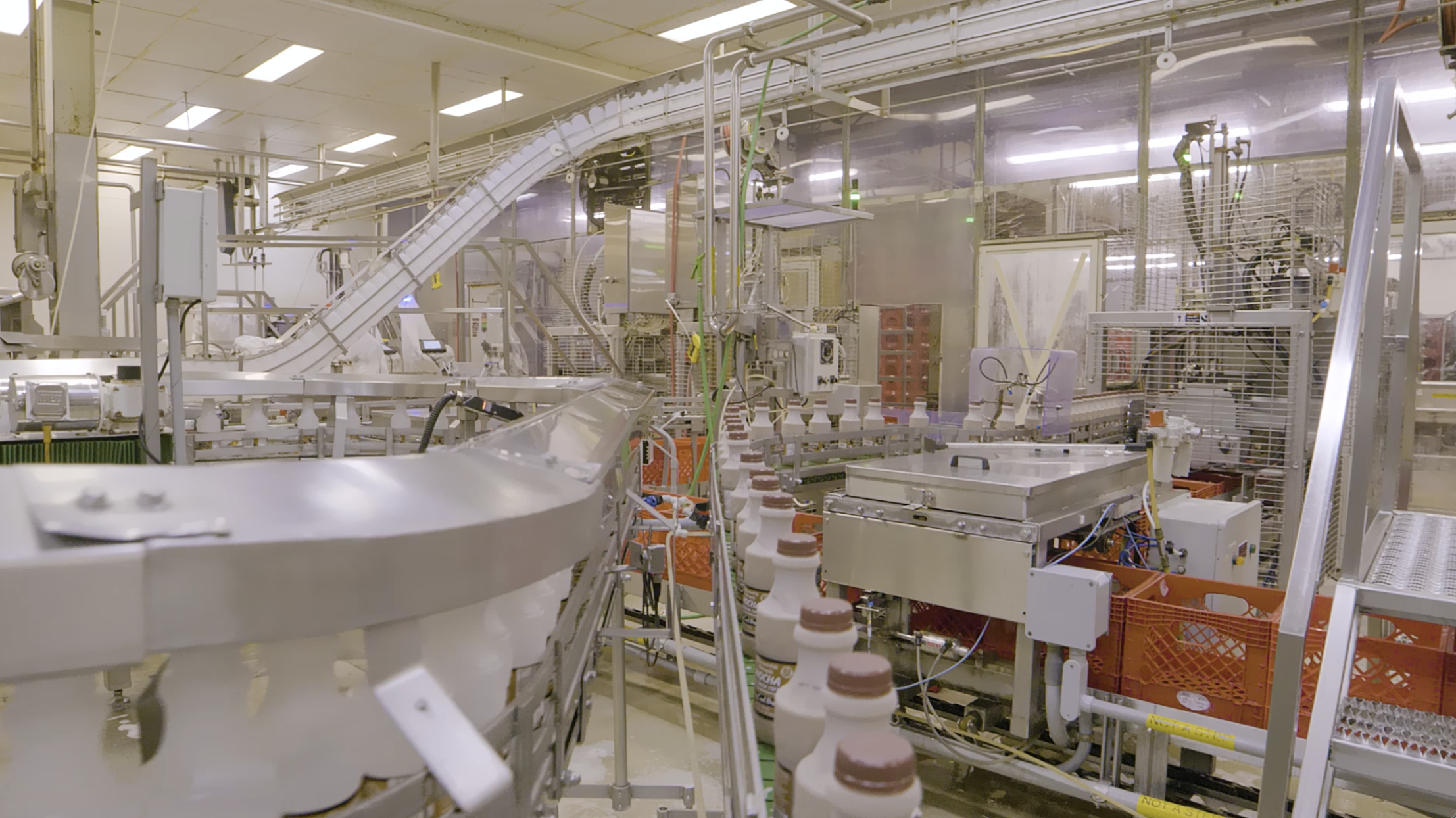
Protecting Freshness and Safety
Once milk arrives at a processing plant, it moves through a tightly controlled system to reduce exposure. Automated systems handle pasteurization, homogenization, and packaging under strict food safety standards. Pasteurization eliminates harmful bacteria while preserving the milk’s nutritional value and taste.
New York’s processing network includes both large-scale facilities and smaller specialty producers, all regulated to meet state standards. Oversight from the New York State Department of Agriculture & Markets helps ensure plants are licensed, inspected, and consistently monitored for compliance.
Milk may be bottled or turned into yogurt, cheese, or other dairy products, but the focus remains the same: maintaining freshness from farm to fridge.
The Final Step in Farm to Fridge Milk
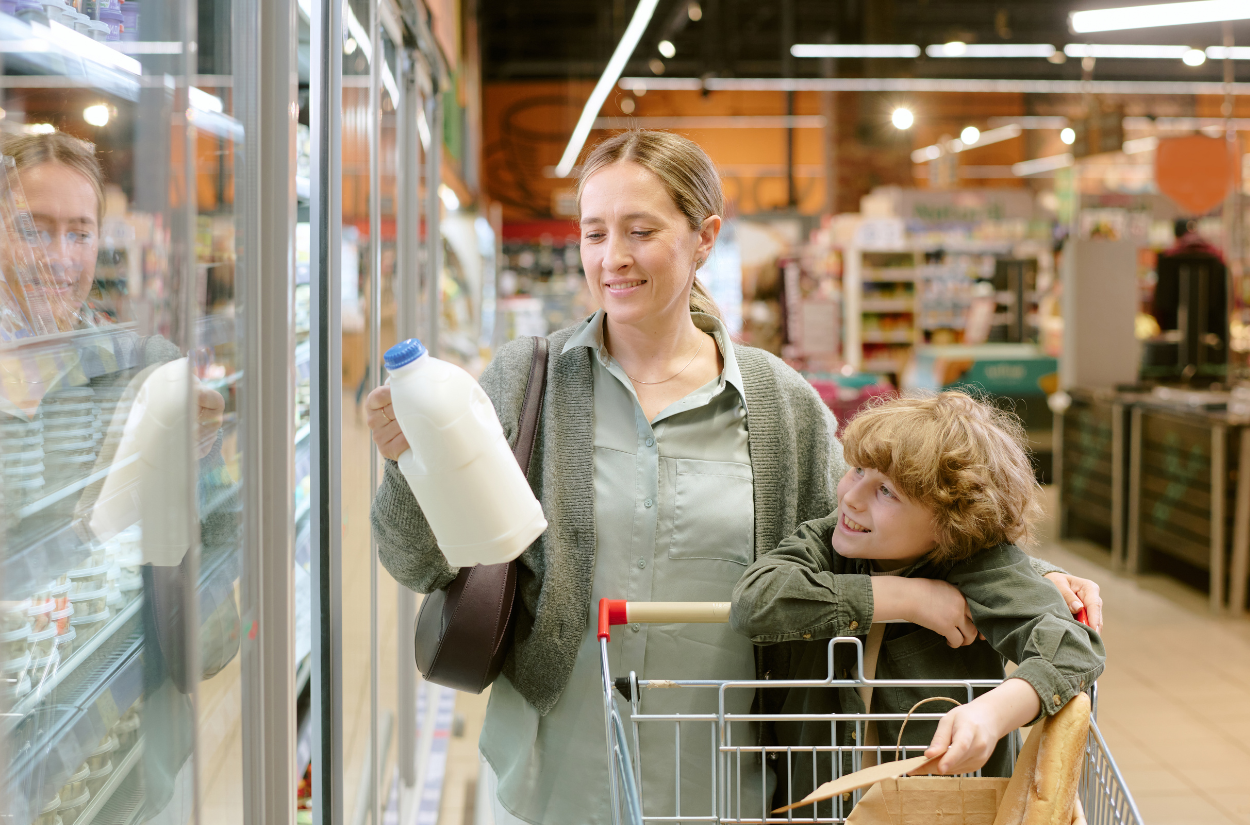
Grocery stores play a crucial role in the final stage of the farm to fridge milk process in New York. Refrigerated storage keeps milk at safe temperatures until it reaches consumers’ homes. Regular stocking ensures shelves stay full, even during periods of high demand or winter weather disruptions.
By the time milk reaches the store, it has passed multiple checkpoints designed to protect quality and safety. What consumers see in the dairy fridge reflects a system built on coordination, accountability, and trust.
The Importance of Local Dairy Distribution
Strong local dairy distribution networks mean fewer miles traveled, faster delivery times, and greater reliability when weather conditions are unpredictable. Supporting local dairy also supports New York’s economy, where dairy remains the largest segment of the state’s agricultural industry.
Organizations like the American Dairy Association North East help connect consumers with the people and practices behind their food, reinforcing confidence in how milk is produced and delivered.
From caring for cows to managing transportation and processing, every step in the New York milk supply chain is designed to work year-round. The result is fresh, nutritious milk that shows up reliably, no matter what the forecast looks like outside.