
How New York Dairy Farms Put Sustainability Into Practice
Sustainability on a dairy farm is an act of daily commitment and decisions that shape how food is produced, how land is cared for, and how farms remain viable for the next generation. Across New York, dairy farmers are putting sustainability into practice in measurable, practical ways, often with results that challenge common misconceptions about agriculture and the environment.
A Whole-Farm Approach to Sustainability
Sustainable dairy farming in New York looks at the farm as a connected system rather than a collection of individual practices. Feed production, animal nutrition, manure management, soil health, water use, and energy efficiency all influence one another. Decisions made in one area often affect performance in others, which is why sustainability on a dairy farm is measured across the whole operation, not by a single metric.
Feed Efficiency Starts in the Field
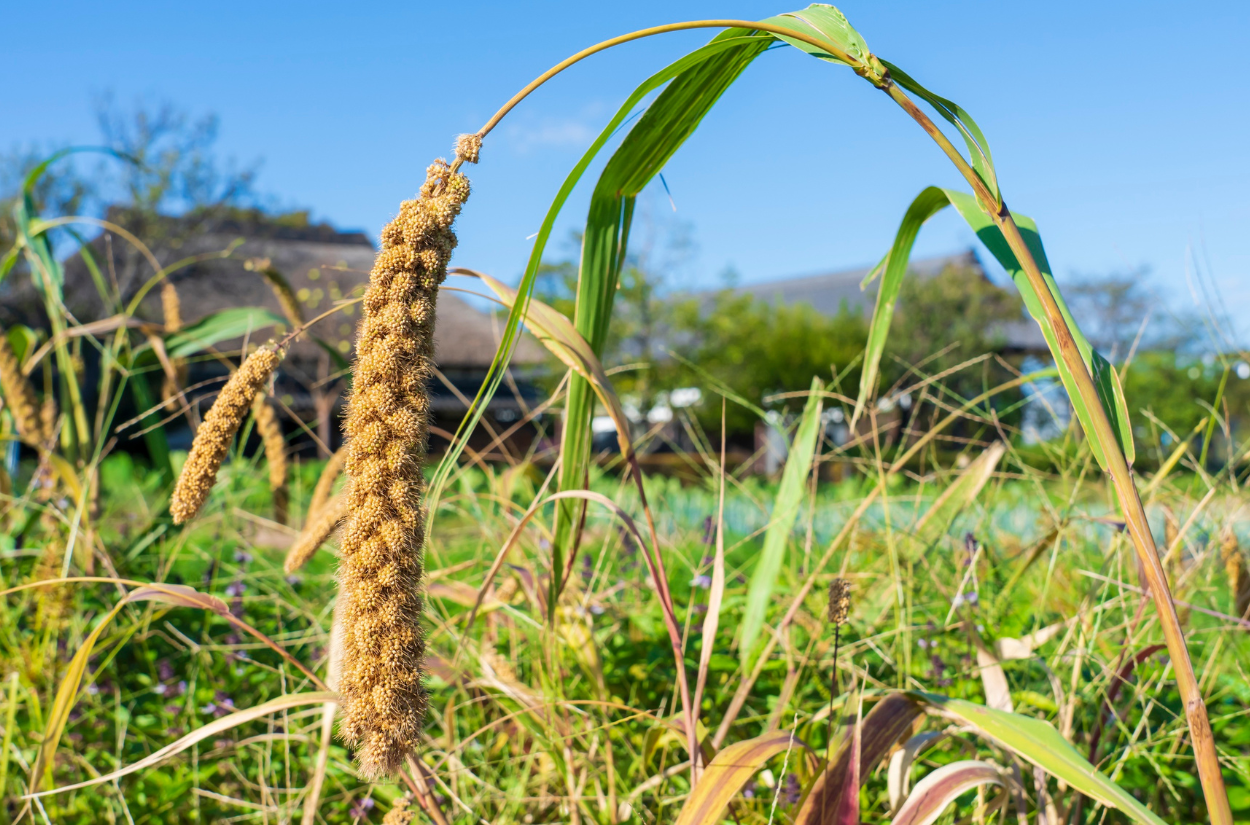
One of the most effective sustainability tools on New York dairy farms is feed grown close to home. By producing forage and grains on-site or nearby, farmers reduce transportation emissions while improving control over crop quality.
High-quality feed supports animal health and productivity, which means cows convert feed into milk more efficiently. Better efficiency leads to fewer emissions per gallon of milk and stronger farm economics. It’s a clear example of how environmental performance and productivity can move in the same direction.
Manure Management
Manure management is often misunderstood, but on New York dairy farms it plays a central role in climate-smart dairy practices. Manure contains valuable nutrients that replace synthetic fertilizers when applied correctly and at the right time.
Many farms store manure until conditions are ideal for application, protecting water quality and maximizing nutrient uptake by crops. Others invest in advanced systems that reduce methane emissions or capture energy. Because manure management varies from farm to farm, it also represents one of the greatest opportunities for continued emissions reductions across the state.
Climate Resilience Through Soil Health
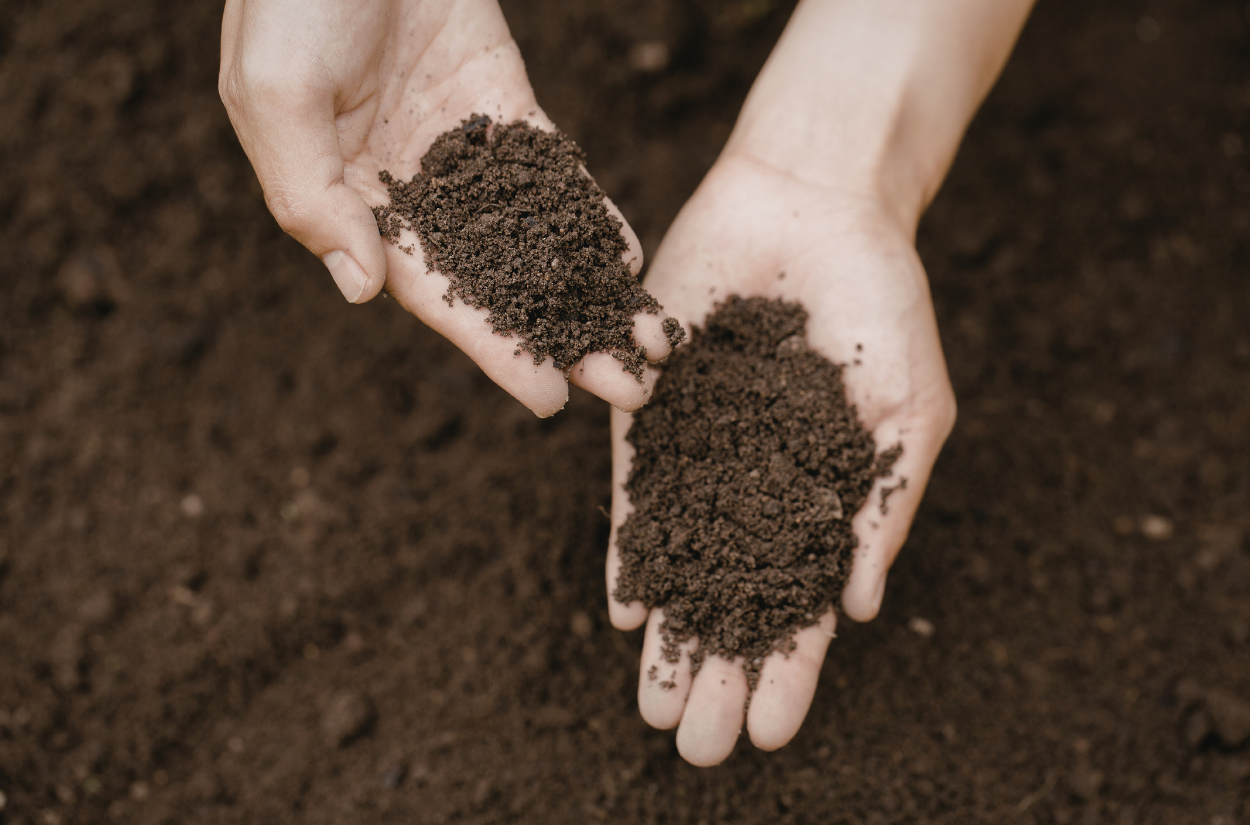
Healthy soils are a foundation of low-emission dairy farms. Practices like cover cropping, reduced tillage, and the use of organic amendments improve soil structure and increase carbon storage. Strong soil health also improves water infiltration and reduces erosion, which are key benefits as New York experiences more intense rain events and longer dry periods.
For dairy farms, healthier soils mean more resilient crops, steadier yields, and better protection of natural resources.
Water and Energy Efficiency
Sustainability extends beyond the barn and the field. Dairy processors and cooperatives owned by farmers are investing in water recycling, waste reduction, and energy efficiency throughout the supply chain. From reclaiming water during milk processing to recycling the vast majority of operational waste, these efforts reduce environmental impact while strengthening the dairy economy.
Progress Built on Partnership
What sets New York dairy sustainability apart is collaboration. Farmers work alongside extension specialists, nutritionists, conservation planners, and researchers to test ideas, measure results, and refine practices. State programs supported by New York State Department of Agriculture and Markets help fund projects that reduce emissions, protect water resources, and improve resilience to a changing climate.
This shared commitment to learning and improvement is why sustainability on New York dairy farms continues to advance.
Sustainability Is Already Happening
New York dairy farmers are not waiting for the future to act. Through smarter feed systems, responsible manure management, healthier soils, and efficient water and energy use, sustainability is already part of everyday farm life. These practices protect the land, support farm families, and ensure that New York dairy remains a trusted food source for generations to come.