
International Year of the Woman Farmer
Across the globe, the agricultural community is recognizing 2026 as the International Year of the Woman Farmer. The designation, declared by the United Nations, highlights the vital role women play across agriculture and food systems while encouraging efforts to strengthen their leadership and success.
Women are essential to the future of farming. They play important roles in crop production, livestock care, agribusiness leadership, and agricultural policy. The International Year of the Woman Farmer recognizes these contributions and draws attention to the actions that can help women continue to thrive in agriculture for generations to come.
The Role of Women in Agriculture
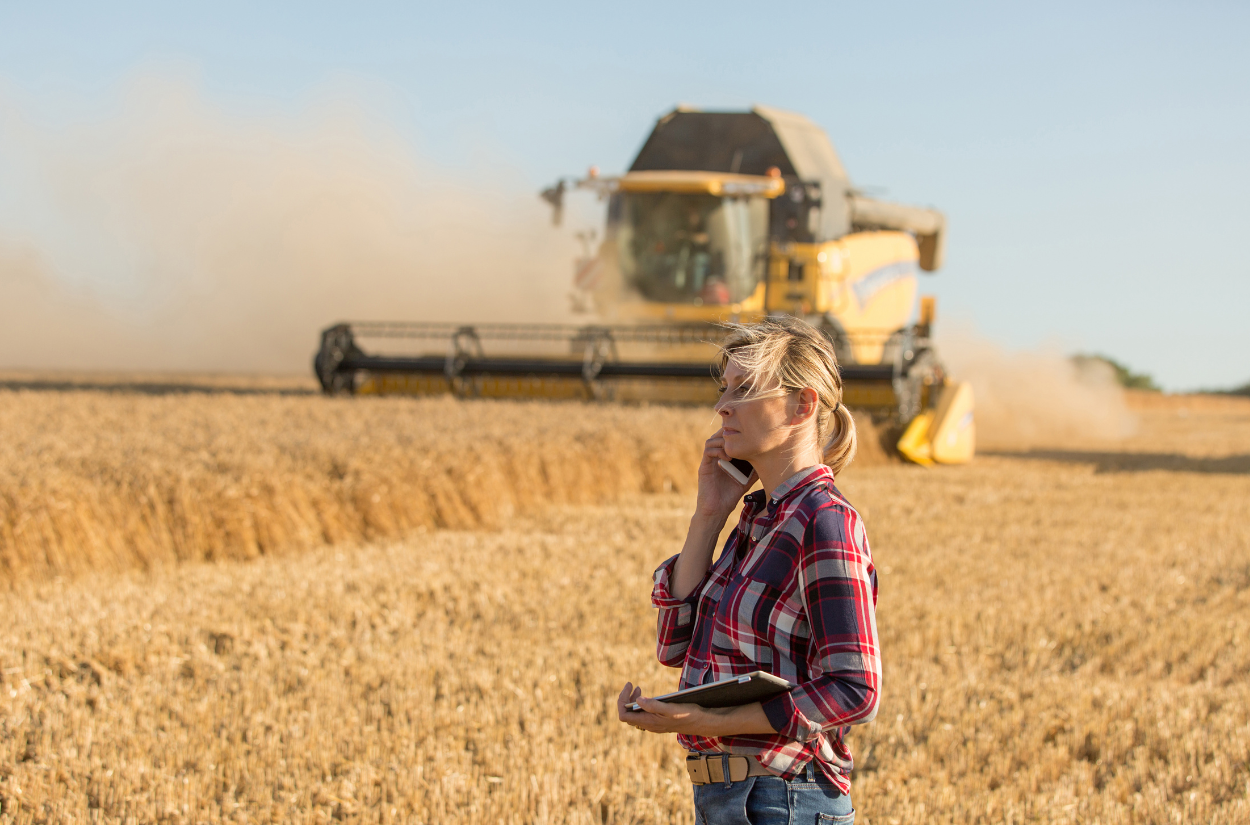
Women are a powerful force in agriculture around the world. Globally, women make up roughly 40% of the agrifood workforce, contributing to everything from food production to processing, distribution, and research. Their work supports food security, rural economies, and resilient communities.
In the United States, women are also playing an increasingly visible role on farms and in agricultural leadership. According to the most recent Census of Agriculture, the country has about 1.2 million female producers, representing roughly 36% of all producers. Women are not only working on farms, they are managing operations, leading organizations, advocating for farmers, and driving innovation throughout the industry.
In communities everywhere, women are helping shape the future of farming through entrepreneurship, education, and leadership.
Challenges Women Farmers Face
While women have made significant strides in agriculture, many still encounter challenges that can limit opportunities and long-term success.
Access to land remains a major issue in many parts of the world. Women are less likely than men to own farmland or hold secure land tenure, which can make it harder to invest in their operations or pass farms on to the next generation.
Financial barriers also play a role. Women farmers often have fewer opportunities to access credit or financial services needed to purchase equipment, invest in new technologies, or expand their businesses. Without these resources, growth and productivity can be harder to achieve.
Training and technology access present additional hurdles. Women may face limited access to agricultural education programs, extension services, or leadership development opportunities. In some regions, gaps in digital access and training can also make it more difficult for women farmers to benefit from new tools and innovations in agriculture.
Addressing these challenges is a central focus of the International Year of the Woman Farmer, as governments, organizations, and agricultural leaders work together to create more equitable opportunities across the industry.
Supporting Women in Agriculture
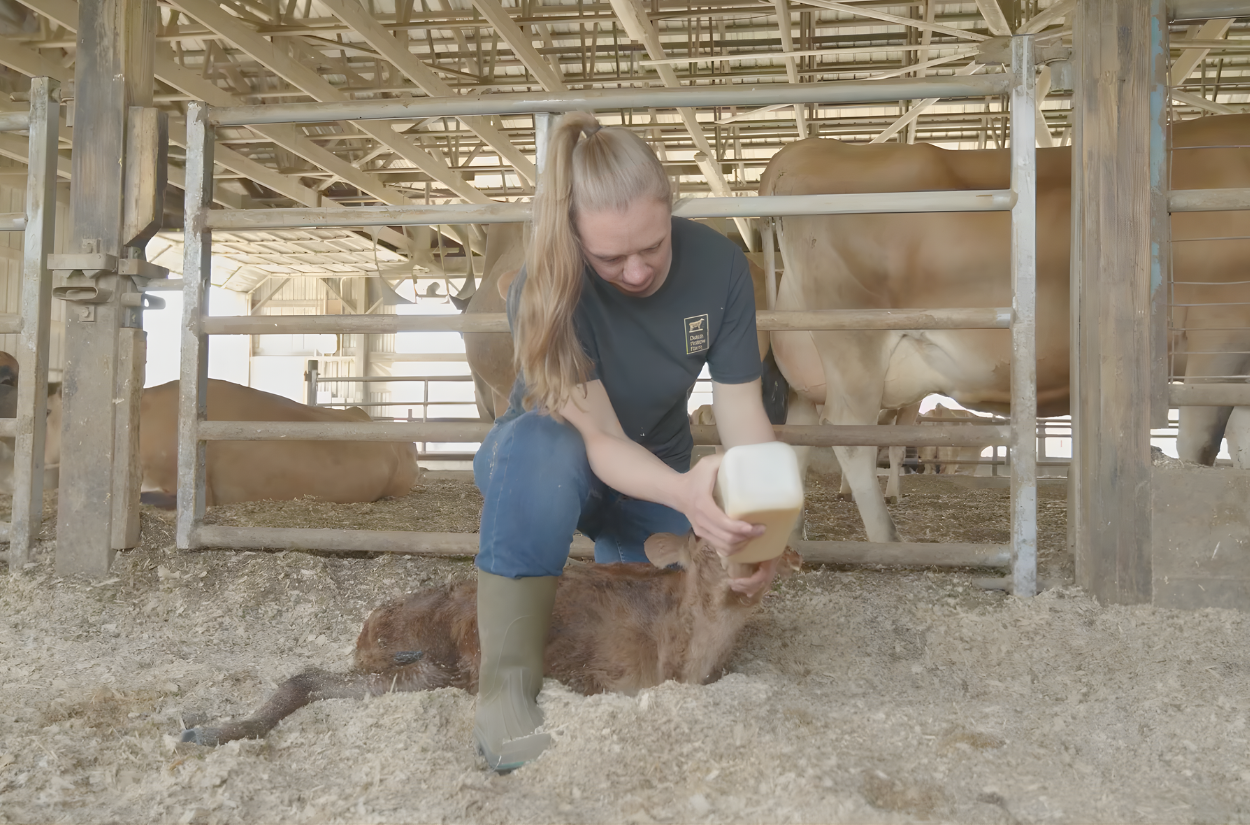
Around the world, programs and initiatives are helping empower women in agriculture through training, mentorship, research, and leadership opportunities.
In the United States, organizations are working to better understand the experiences and needs of women across the agricultural industry. The national Women in Agriculture Study, supported by the National Association of State Departments of Agriculture (NASDA), is gathering insights about women’s leadership, challenges, and opportunities in agriculture. The study will help identify ways agricultural communities and organizations can strengthen support systems for women working across the industry.
NASDA also partners with organizations that provide targeted education and networking opportunities for women in agriculture. Among these partnerships are Annie’s Project, a nonprofit focused on agricultural education that offers programs to help women strengthen their roles in modern farm and ranch enterprises through business management training and peer learning, and the Dairy Girl Network, which connects women in the dairy industry for professional development, mentorship, and shared learning.
Internationally, initiatives led by organizations such as the Food and Agriculture Organization of the United Nations (FAO) are working to address systemic barriers that women farmers face. For example, projects in the Philippines are helping seaweed farmers adopt more sustainable cultivation and marketing practices. In Tanzania, agricultural data initiatives are improving how countries measure women’s empowerment and participation in food systems. Meanwhile, partnerships connected to the African Continental Free Trade Area are expanding trade opportunities for women across multiple African countries.
In 2026, leaders across the agricultural sector will also come together in Washington, D.C. for the International Year of the Woman Farmer ACE (Advocate, Cultivate, Empower) Summit, hosted by the American Farm Bureau Federation alongside a coalition of U.S. agrifood system stakeholders. The event will bring together women farmers, ranchers, and agribusiness professionals for networking, skill-building, and advocacy focused on strengthening women’s leadership in agriculture.
Shaping the Future of Agriculture
The International Year of the Woman Farmer is a call to recognize the leadership, resilience, and expertise women bring to agriculture every day.
As awareness grows, so does the opportunity to create stronger support systems that help women succeed in farming and agricultural leadership. Expanding access to land, education, technology, and financial resources can unlock even greater potential within the agricultural sector.
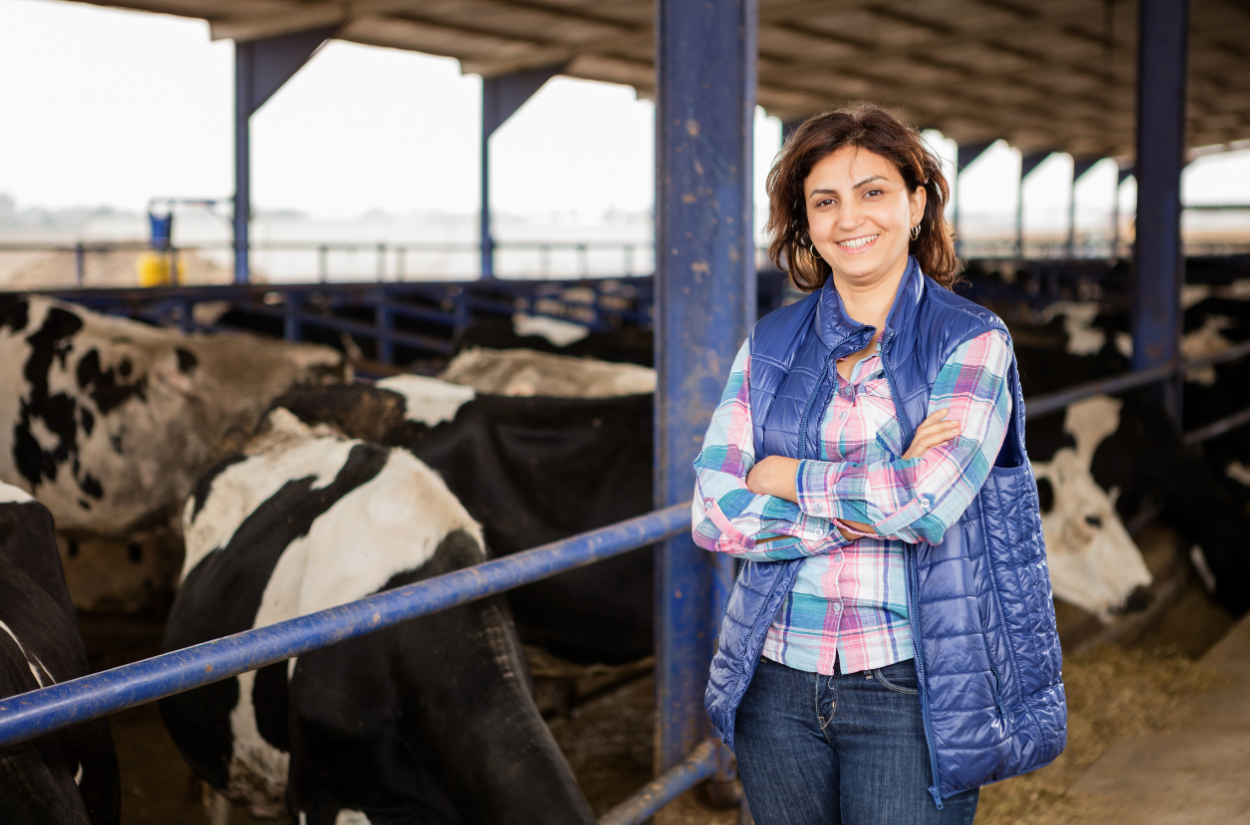
Whether they are managing dairy farms, leading agricultural organizations, conducting research, or mentoring the next generation of farmers, women continue to shape the future of agriculture in invaluable ways.
This year provides an opportunity to recognize those contributions, learn more about the role of women in agriculture, and support initiatives that help farmers and the communities they nourish continue to grow and thrive. To explore more about the International Year of the Woman Farmer and ongoing efforts, visit the National Association of State Departments of Agriculture (NASDA), the Food and Agriculture Organization of the United Nations (FAO), and the National Farmers Union (NFU).