
From Winter to Spring on a New York Dairy Farm
As winter begins to fade across New York, dairy farms begin to slowly shift into new routines. Snow gives way to softer ground, daylight stretches a little longer, and the signs of spring begin to show, not just in the landscape, but in the daily work of farm families.
For dairy farmers, the transition from winter to spring is one of the most important times of year. It’s a season of careful adjustments, where feeding routines, herd care, and fieldwork all evolve to match the changing environment. Every decision made during this time helps set the foundation for the months ahead.
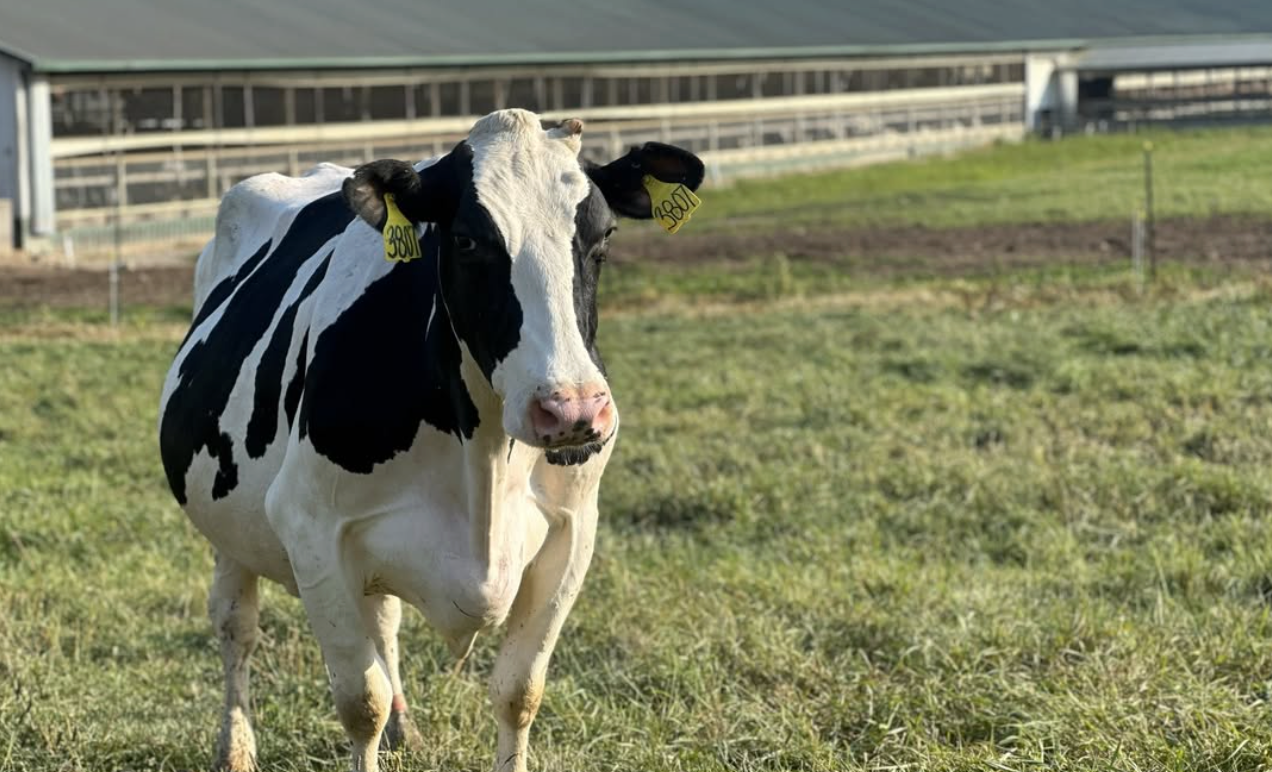
Transitioning Cows to Fresh Pasture
During the winter months, many dairy cows are housed indoors and fed a carefully balanced diet made from stored feeds like silage and hay. These rations are designed to provide consistent energy and nutrition when fresh forage isn’t available.
As spring arrives and pastures begin to grow, cows are gradually reintroduced to fresh grass. This is a process that takes time and attention. While spring pasture is rich in nutrients, it’s very different from a winter diet. A sudden change can disrupt digestion, so farmers slowly increase the amount of time cows spend grazing each day.
By easing cows into pasture, farmers help protect rumen health, maintain steady milk production, and ensure cows remain comfortable throughout the transition.
Adjusting Cow Nutrition
Spring also brings changes to what cows eat beyond pasture. Farmers often begin incorporating early-season forages, such as winter triticale or newly harvested silage, into feed rations. These additions help bridge the gap between stored winter feed and fresh pasture.
Balancing nutrition during this time is key. Fresh grass can be high in moisture and rapidly digestible nutrients, so maintaining the right mix of fiber, energy, and protein helps support both cow health and milk quality.
Careful feeding strategies allow farmers to adapt to the season while continuing to produce the high-quality dairy products people rely on every day.
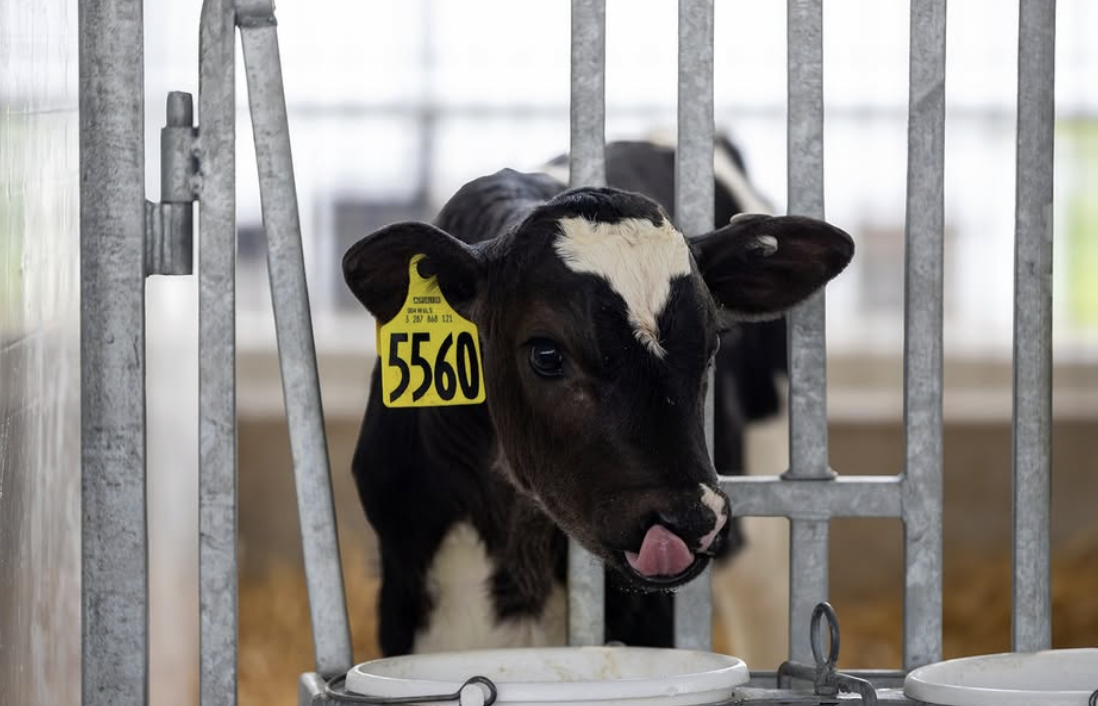
Calving Season and Herd Care
On many New York dairy farms, spring is also a season of new life. Calving can take place year-round, but the spring months often bring an increase in activity as newborn calves arrive.
Farmers spend extra time monitoring cows and calves to ensure healthy deliveries and strong starts. Newborn calves receive close attention, including proper nutrition and a clean, comfortable environment to support early growth.
At the same time, overall herd health remains a daily priority. Farmers work tirelessly to ensure every animal is cared for as conditions change.
Preparing Fields for the Growing Season
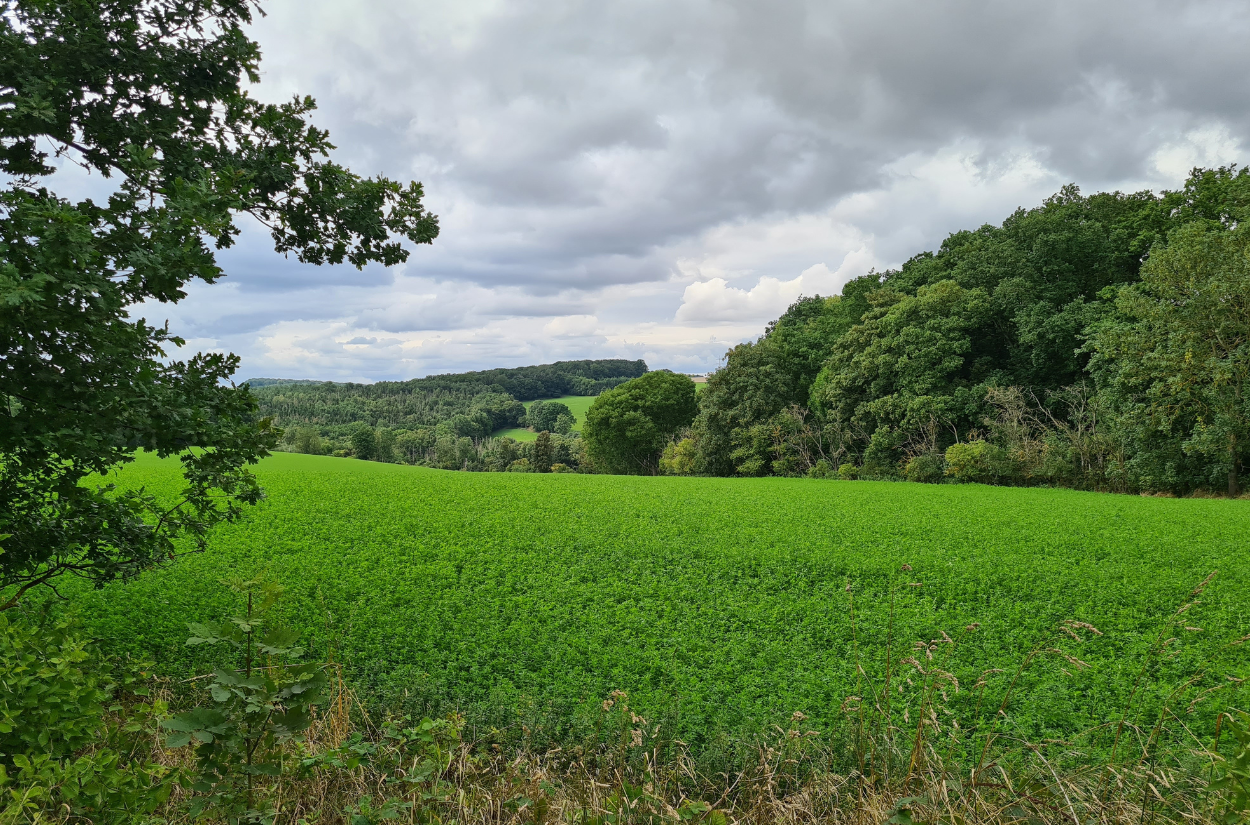
While much of the focus is on the cows, spring is also when farmers turn their attention to the land. As fields dry out from winter conditions, tractors and equipment return to prepare the soil for planting.
Crops like corn, alfalfa, and other forages will be planted in the coming weeks. These crops are essential as they will be harvested and stored to feed dairy cows throughout the year.
This work requires careful timing. Farmers must balance soil conditions, weather patterns, and crop needs to set their fields up for a successful growing season.
Improving Barn Ventilation and Comfort
With warmer temperatures on the way, barns begin to change as well. Doors that were closed tight during the winter months are opened to allow fresh air to circulate.
Proper ventilation plays an important role in maintaining cow comfort and herd health. By reducing moisture and improving airflow, farmers create an environment where cows can stay cool, clean, and comfortable as the seasons shift.
These adjustments may seem small, but they are part of the daily attention to detail that supports animal well-being.
A Season of Preparation
The transition from winter to spring is a time of both renewal and responsibility on New York dairy farms. Each step, whether it’s introducing cows to pasture, adjusting feed, caring for newborn calves, or preparing fields, plays a role in setting farms up for the growing season ahead.
For farm families, this season requires careful attention to cow nutrition, herd care, and field management. These daily responsibilities help ensure cows stay healthy, comfortable, and productive as conditions change.
Across New York, these seasonal changes support the continued production of nutritious dairy foods while helping farms remain strong and sustainable for the future.