
How New York Dairy Farms Support the Environment in Spring
As winter comes to an end and fields begin to green across the state, spring marks one of the most important seasons on New York dairy farms. While many people associate the season with planting and warmer weather, it is also a critical period for environmental stewardship. During these months, farmers are making intentional decisions that support soil health, protect water quality, and prepare their land for the growing season ahead.
Across New York, dairy farmers rely on sustainable dairy farming practices that balance productivity with care for the environment. From managing nutrients to improving soil conditions, spring farming practices play a key role in maintaining strong, resilient farms.
Nutrient Management and Soil Health
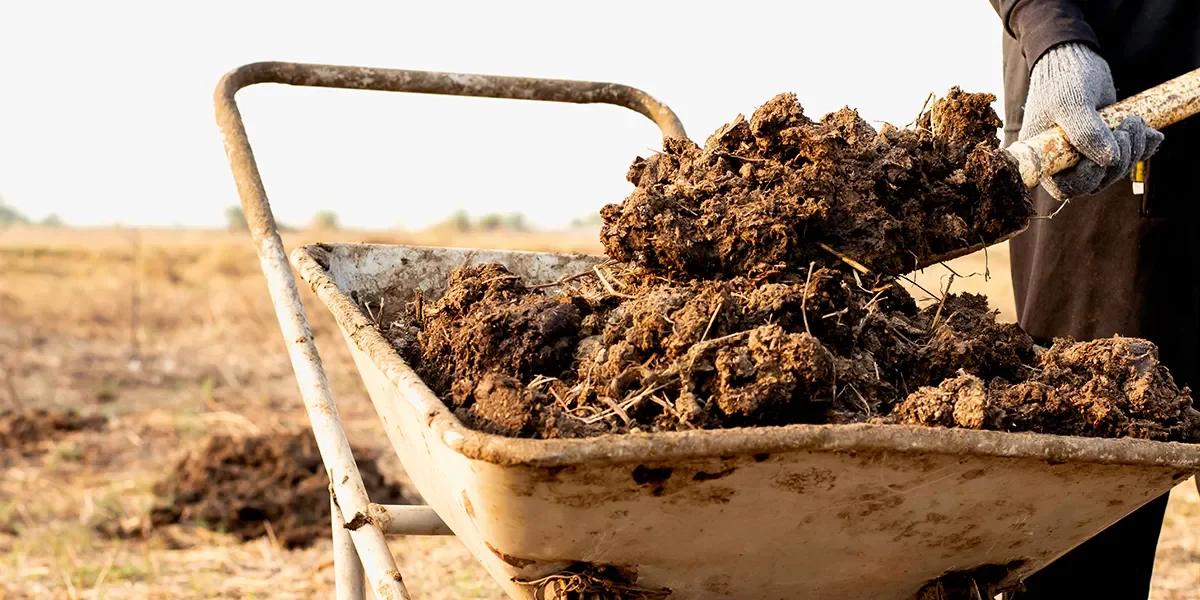
One of the most important environmental practices dairy farms use is nutrient management planning. These plans guide how and when nutrients, including manure and fertilizers, are applied to fields. By carefully managing these inputs, farmers help protect nearby waterways while supporting soil health on dairy farms.
Healthy soil is the foundation of sustainable dairy farming. When nutrients are applied at the right time and in the right amounts, crops can grow more efficiently, reducing waste and improving overall farm productivity. Many New York dairy farms work closely with researchers and advisors to continually refine these practices and improve long-term environmental outcomes.
Planting Cover Crops
Spring is also a time when farmers assess and manage cover crops that were planted in the fall or prepare fields for new plantings. Cover crops like rye or clover play an important role in protecting soil between growing seasons.
These crops help prevent soil erosion, retain nutrients, and improve soil structure. As they grow, they add organic matter back into the soil, which supports healthier crops in the months ahead. This focus on soil health helps ensure that dairy farms can continue producing feed for their cows while maintaining strong, sustainable land.
Recycling Manure as Natural Fertilizer
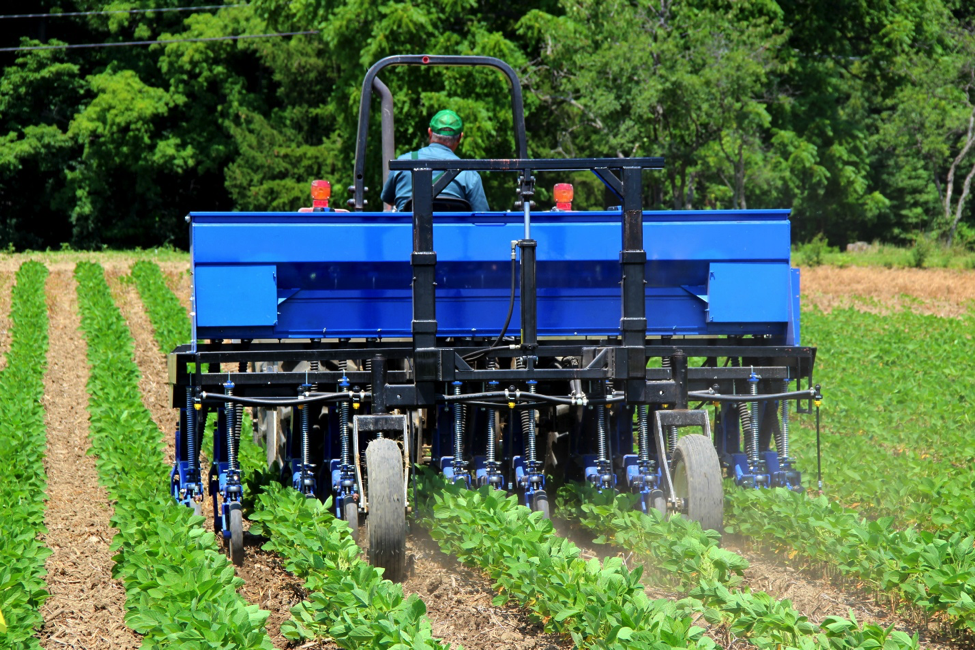
Dairy manure recycling is another key part of dairy farming. Rather than going to waste, manure is reused as a natural fertilizer for crops. This creates a circular system where crops feed cows, and cows help nourish the soil.
Using manure in this way reduces the need for synthetic fertilizers and supports more sustainable nutrient use. It also helps build soil health over time, which is especially important as fields are prepared for planting in the spring.
Research from Cornell University has shown that practices like manure recycling and growing high-quality feed on the farm contribute to lower emissions on New York dairy farms. By making the most of resources already available on the farm, farmers can improve both environmental performance and efficiency.
Renewable Energy on Dairy Farms
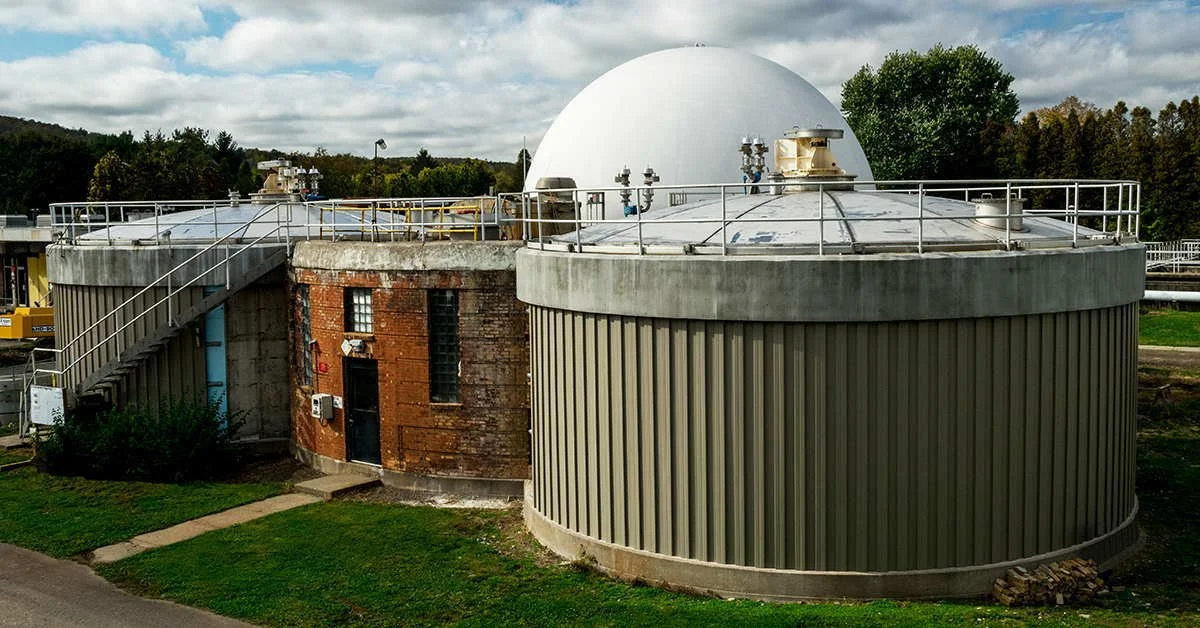
Some New York dairy farms are also investing in renewable energy technologies. Anaerobic digesters are one example of how farms are turning manure into a valuable resource.
These systems capture methane gas from manure and convert it into electricity. This process helps reduce greenhouse gas emissions while providing renewable energy that can power farm operations and even supply energy to local communities. Renewable energy on dairy farms is one of the many ways farmers are working toward a more sustainable future.
A Season That Sets the Foundation
Sustainability on New York dairy farms is a year-round commitment, but spring plays a particularly important role. It is a season of preparation, where decisions around nutrient use, soil health, and field management shape the months ahead.
By focusing on sustainable dairy farming practices, New York dairy farmers support the environment while continuing to produce nutritious dairy foods. These seasonal efforts help protect natural resources, strengthen local communities, and ensure that dairy farms remain productive and sustainable for generations to come.