
Road Safety for New York Dairy Farmers
When spring arrives in New York, there is a change of pace on the back roads. Activity picks up on farms across the state as planting begins, feed supplies move between fields, and the work of a new growing season gets underway. For dairy farmers, there is no slow season, but spring and summer bring a particular intensity, and a lot of it happens on public roads.
If you drive in rural New York, chances are good you will share the road with a tractor or a piece of farm equipment this season. Knowing what to expect keeps the roads safe for the farmers out there doing their jobs, and for everyone traveling alongside them.
Why More Farm Equipment Is on the Road
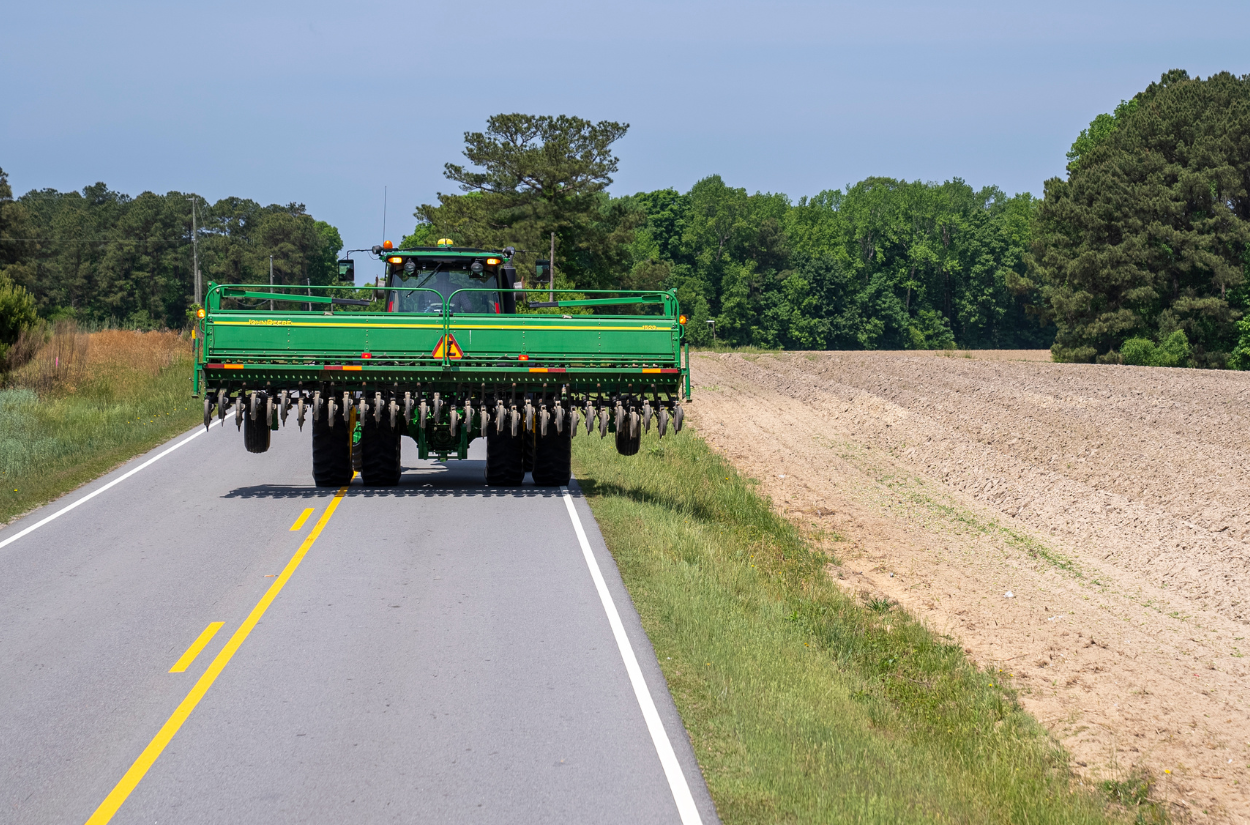
Dairy farms in New York operate year-round, but spring and summer are when fieldwork peaks. Crops need to be planted. Hay and corn silage need to be harvested and transported. Feed needs to move from one place to another. Farms are rarely a single, self-contained piece of land. They often have fields that sit miles apart, connected by the same roads everyone else uses.
That means tractors, wagons, spreaders, and other large equipment are oftentimes out in shared space. It is not unusual for a farmer to make a dozen or more road trips on a busy harvest day. This is part of how food gets grown.
Farm Equipment Differs From Other Vehicles
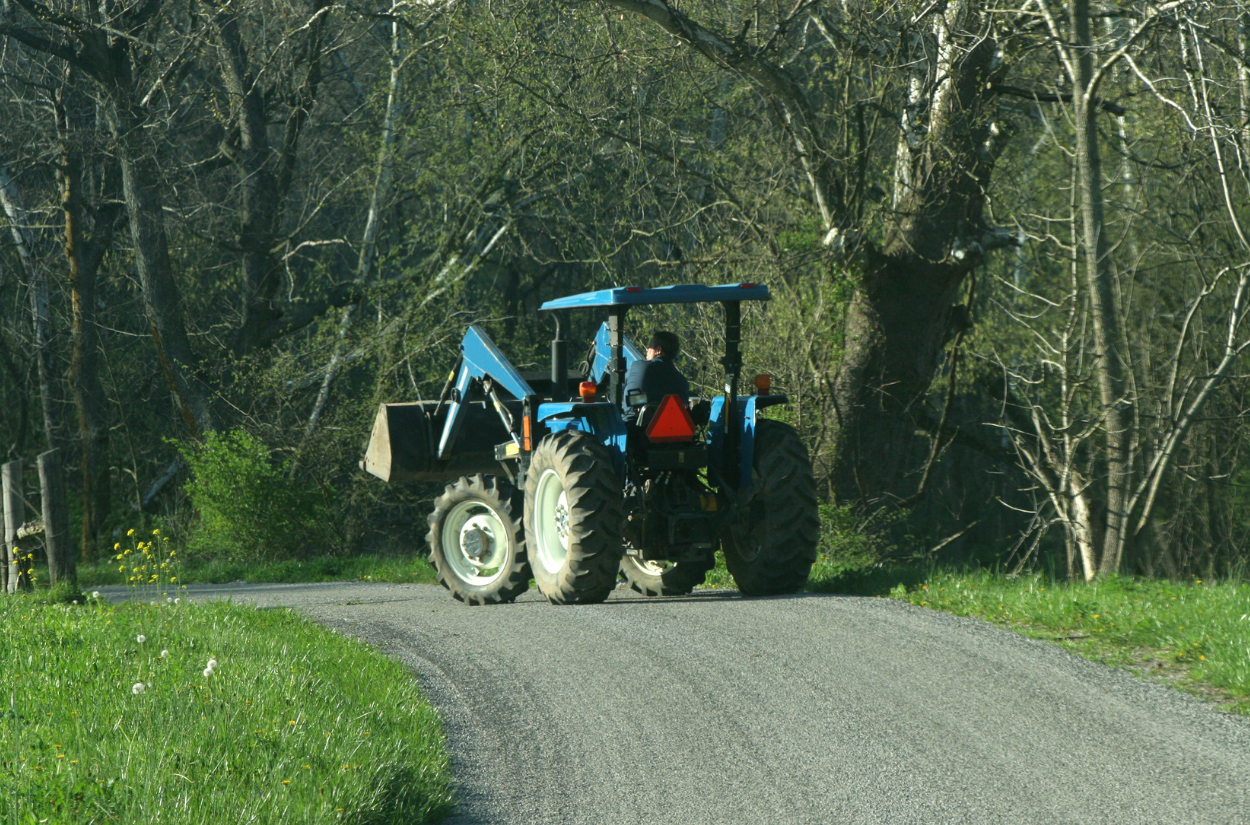
Farm equipment does not behave like other vehicles, and it is important to understand why. Most tractors and agricultural machines travel between 15 and 25 miles per hour on the road. That gap between farm equipment and typical traffic is where accidents happen. A car traveling 55 mph can close a quarter mile of distance in about 16 seconds. Slow-moving vehicle (SMV) triangles are required on farm equipment in New York, but they can be hard to see on bright days or around curves.
Some equipment can also be wide and extend well beyond a standard lane. A tractor pulling a wagon may take up more of the road than you expect. Turns require extra space, and what looks like a right turn may actually require the driver to swing left first to clear the turn safely.
Operators have limited visibility too. Cab windows and large equipment bodies can create blind spots, and the noise of the machinery makes it harder to hear approaching traffic.
Common Road Hazards to Watch For
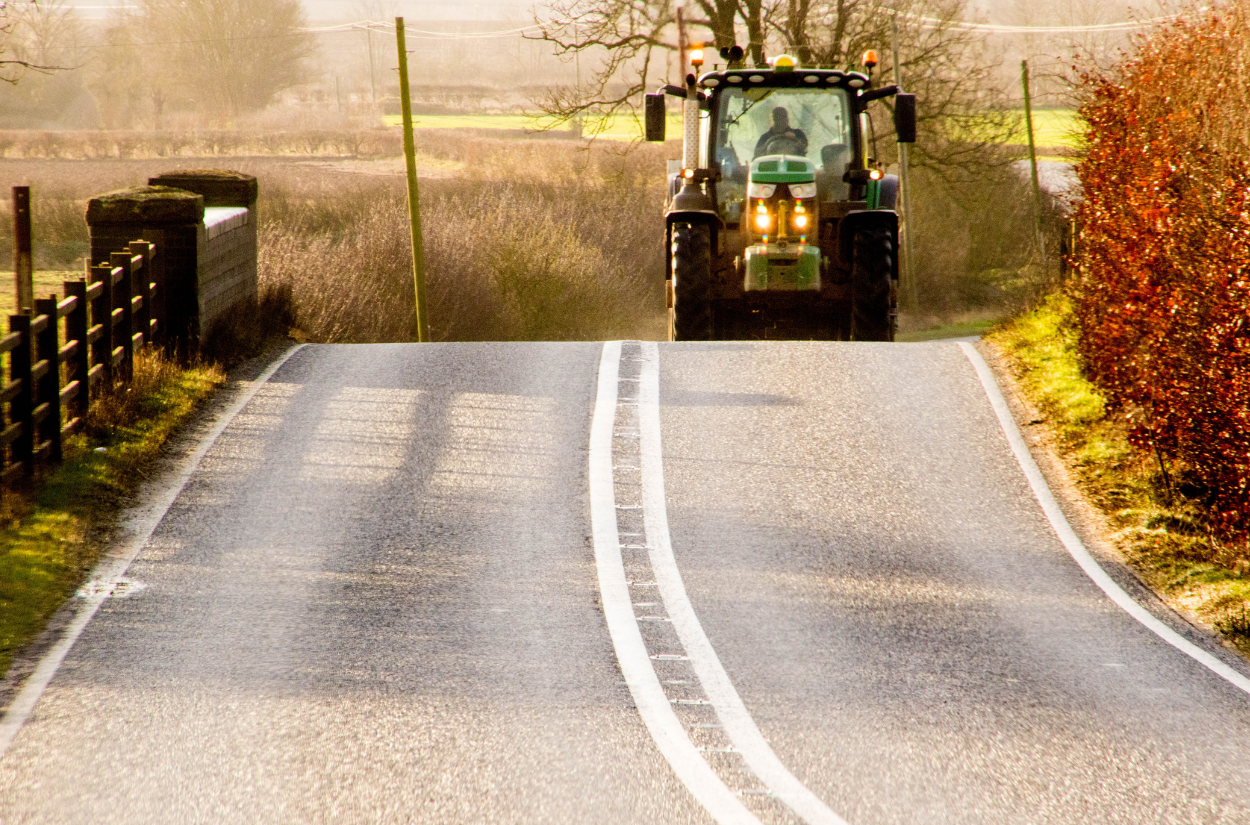
Mud and debris on the road is one of the most common seasonal hazards. When equipment moves between fields, it carries soil onto the pavement. This can reduce traction, especially during or after rain. Slow down when you see mud on the road ahead. It is a sign that farm equipment has recently passed through.
Early morning and evening hours are particularly active on farms, and that is also when light conditions are more challenging for everyone. If you are driving at dusk or dawn on a rural road, give yourself extra time to react.
Unexpected stops are another factor. Farmers may need to pull over, adjust equipment, or wait for a clear stretch of road before a turn. Because farm equipment is far heavier than a car, it needs much more distance to slow down and stop.
Tips for Drivers Sharing Rural Road
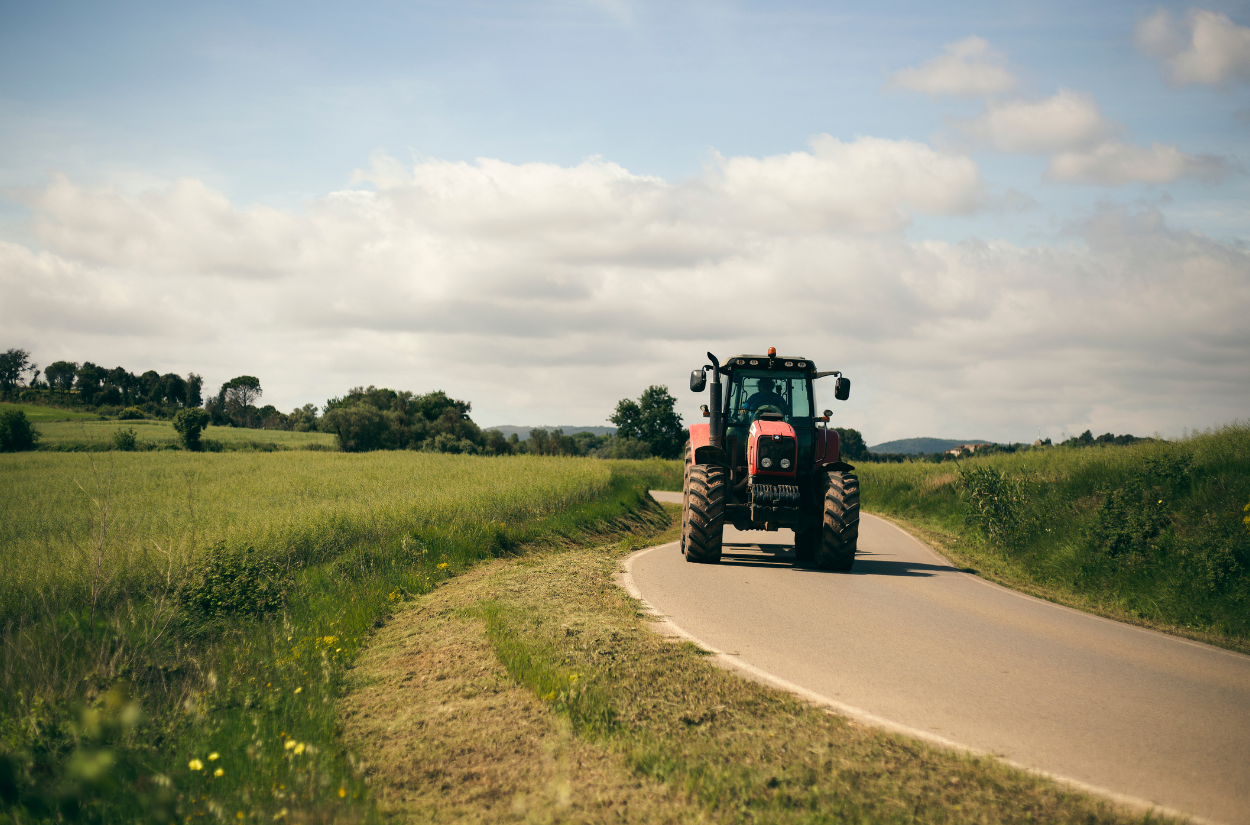
When you see farm equipment ahead, begin reducing speed well in advance. Do not wait until you are right behind it.
Be patient about passing. Wait for a long, clear, straight stretch of road with good visibility in both directions. Equipment can be wider than it appears, and the operator may be unaware you are there.
Watch for turn signals and hand signals. Some older equipment may rely on hand signals from the operator. Give wide equipment plenty of room before and during turns.
Avoid distractions. Rural roads can feel quiet and routine, but they require the same attention as any other road, especially during farming season.
How Drivers Can Support Farmer Safety
Getting stuck behind farm equipment on a New York road can test your patience. But behind that equipment is someone doing work that feeds people across the country and economically supports the local community. New York is home to more than 3,000 dairy farms, and the men and women who run them are our neighbors, friends, and family.
Every driver who slows down, stays patient, and passes safely is making a choice to look out for the people who grow our food. That kind of awareness costs nothing, and it matters more than most of us realize.
Keeping Our Roads Safe
The next time you pull onto a country road in New York, you might find yourself behind a tractor or other slow-moving farm equipment. The farmer behind the wheel is doing the work that has kept New York's dairy industry going for generations. Slow down, give them room, and pass when it is safe to do so. It is a simple thing, but it keeps our farming communities safe.