
The New York Dairy Boom: Growth, Challenges, and What Comes Next
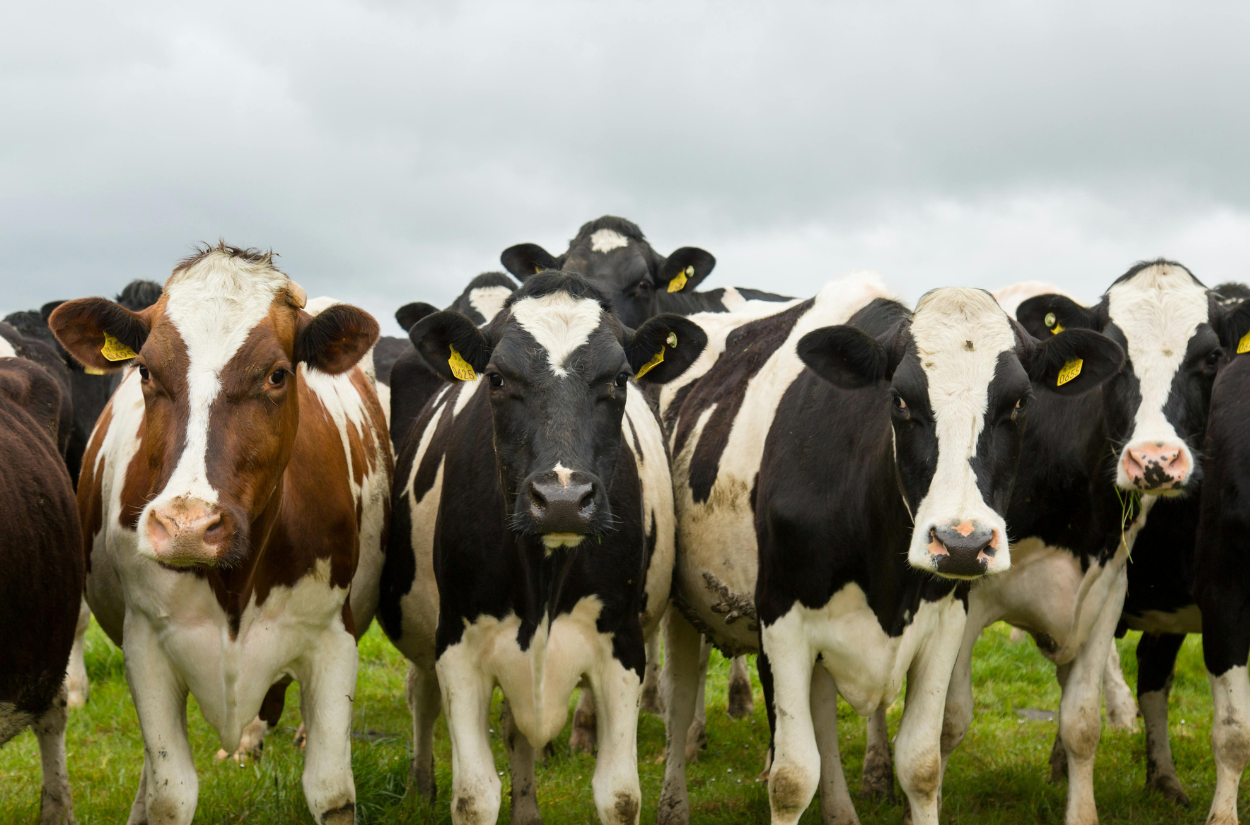
Something significant is happening for New York dairy. Across the state, processing facilities are expanding, herds are growing, and billions of dollars in investment are flowing into an industry that has long been the backbone of New York agriculture. Consumer demand for dairy products like yogurt, cheese, and high-protein milk is at or near record highs. And New York, with its deep dairy roots and abundant farmland, is at the center of it all.
As the industry enters one of the most significant expansion periods in its history, farmers are navigating challenges alongside opportunity. Understanding both sides of this moment tells an important story about where dairy is headed.
What's Driving Dairy Growth
The surge of investment in New York's dairy industry didn't happen overnight. It's the result of years of growing consumer demand, strategic planning, and a state that has actively positioned itself as a leader in dairy processing.
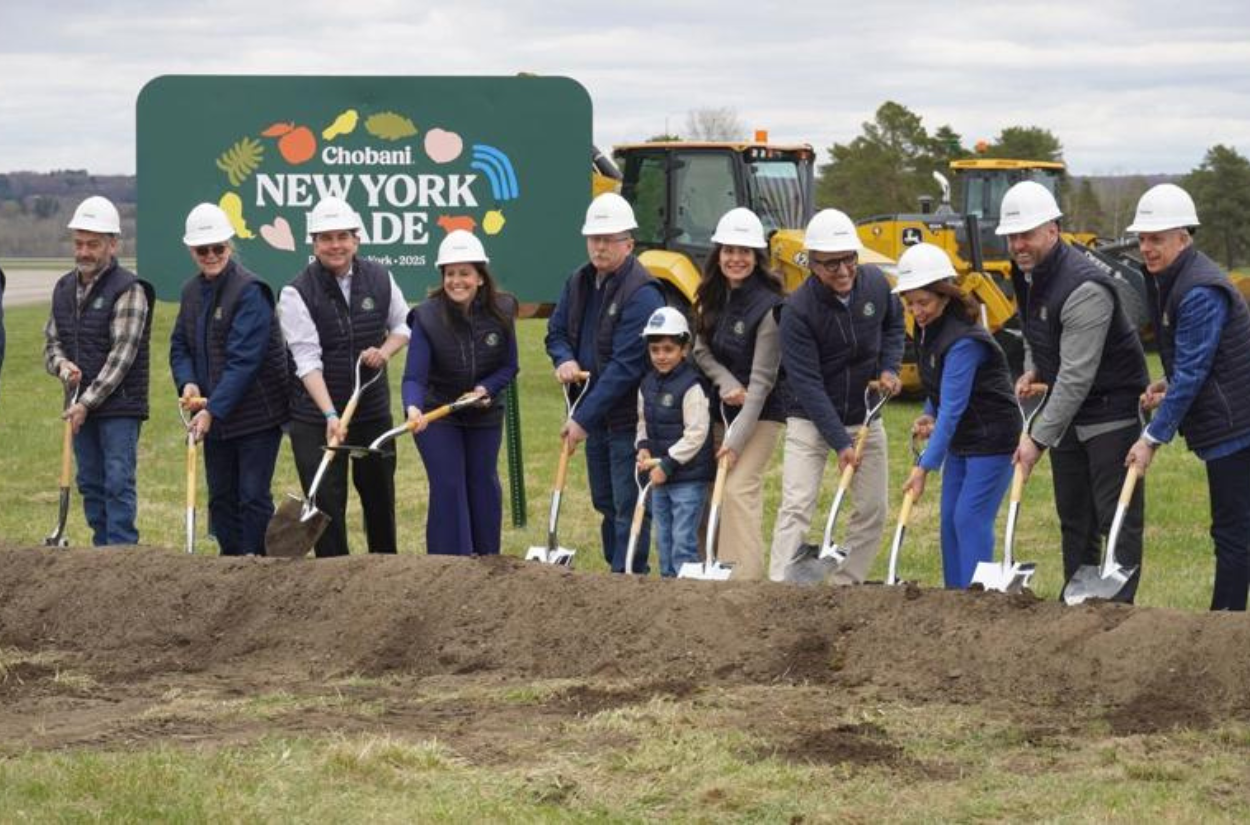
Several major dairy processing facilities are either expanding their existing operations or opening new ones across upstate New York. Chobani recently broke ground on a $1.2 billion facility in Rome. This will be a 1.4 million-square-foot campus that will rank among the largest natural food manufacturing investments in American history. Fairlife is building a $650 million plant in Webster, and Great Lakes Cheese invested more than $700 million in a new facility in Cattaraugus County. Additional projects from Cayuga Milk Ingredients, Wells Enterprises, and Lactalis have also been announced.
Combined, these facilities represent a dramatic increase in the state's capacity to process New York milk into high-value products, and a powerful signal to dairy farmers that the market for their milk is strong.
Farmers Scale to Meet Demand
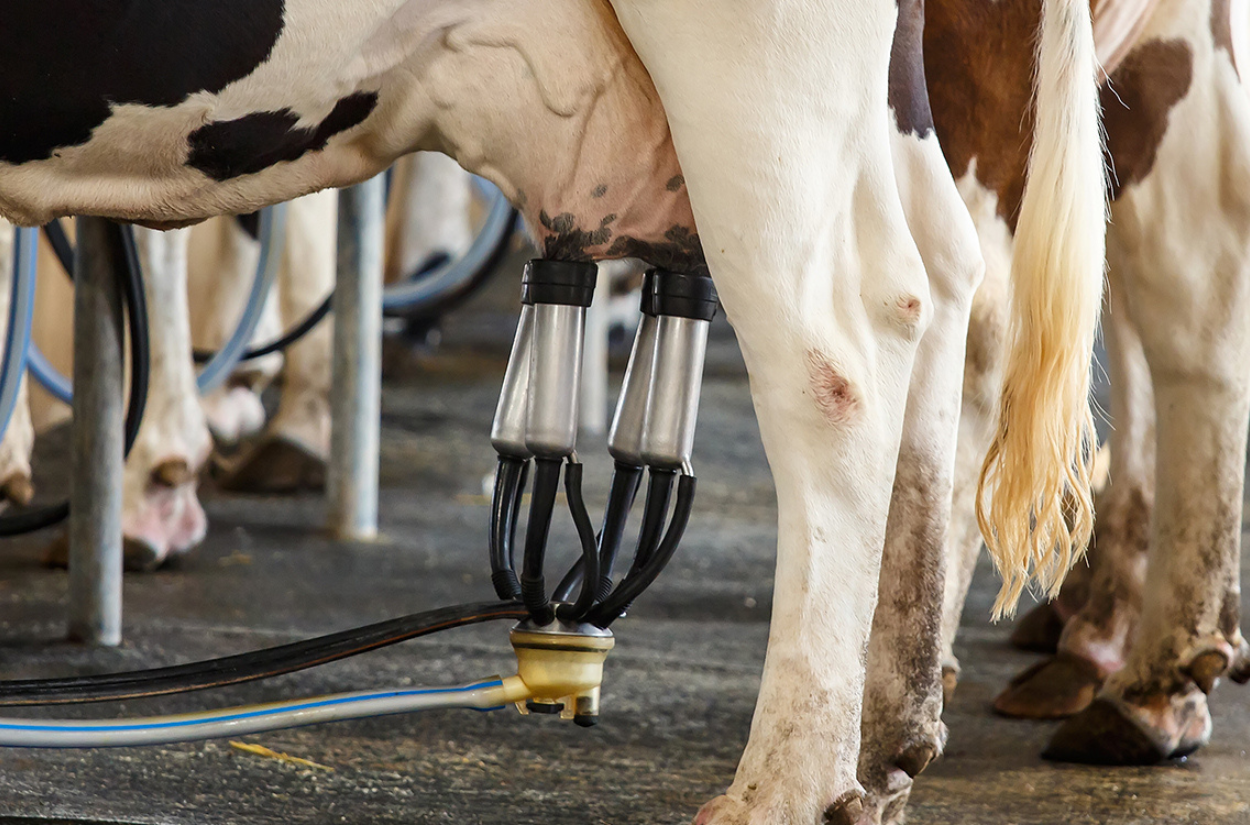
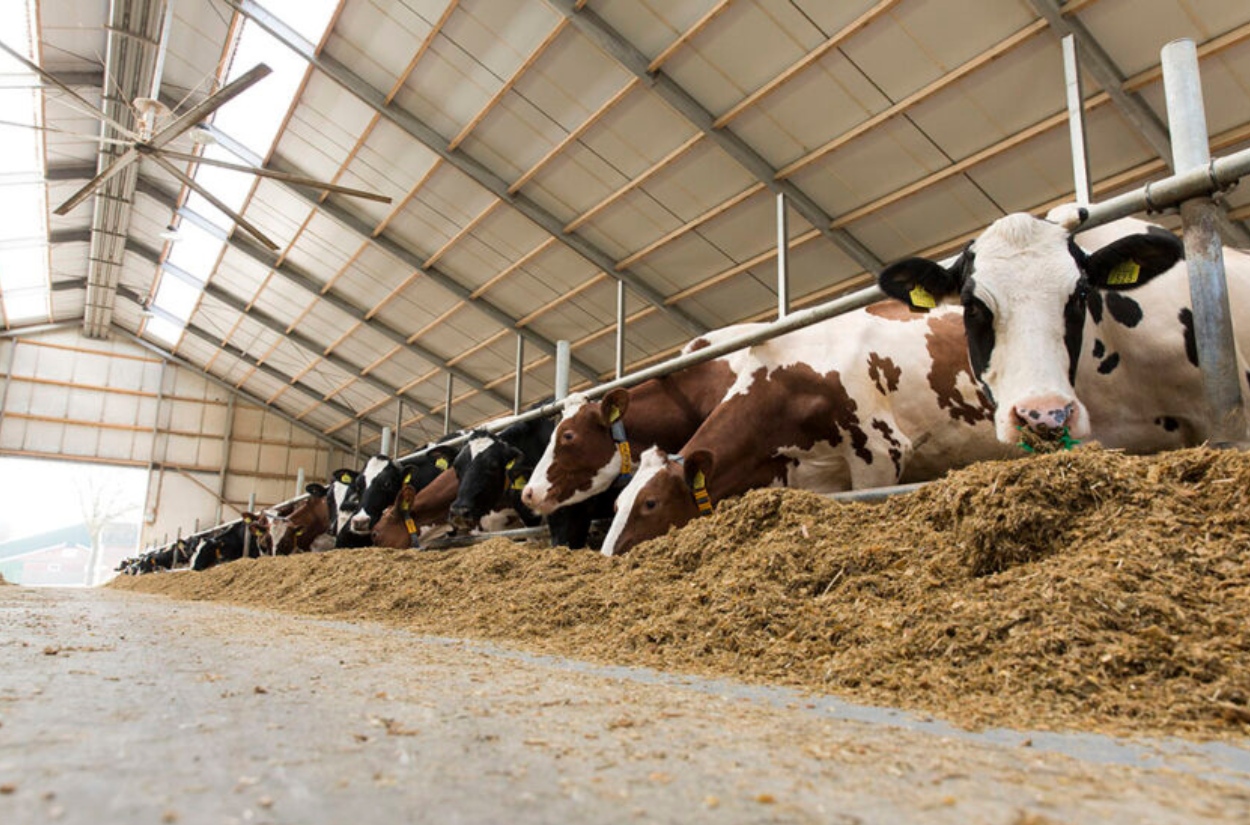
For many New York dairy farmers, the wave of processing investment has been a source of both excitement and action. Farms across the state are expanding herds, constructing new barns, upgrading milking systems, and growing more crops to feed larger operations. Multi-generational farm families, who have weathered decades of market volatility, are making long-term bets on the future.
The new processing facilities are expected to collectively take in tens of millions of pounds of milk each day at full capacity. For farmers, that kind of sustained demand offers stability.
New York State has supported this expansion with targeted funding as well. The Dairy Modernization Grant Program has directed more than $21 million to farms across the state, helping producers invest in the equipment, infrastructure, and planning needed to meet a new level of production demand.
The Challenges Behind the Growth
Scaling up brings complexity. As herds grow, so does the responsibility of managing what they produce. Manure is a valuable fertilizer when applied carefully, but larger volumes require more planning to protect waterways from nutrient runoff. Phosphorus management is a particular focus in New York, given the state's abundance of lakes and streams.
Farmers also face familiar economic pressures. Feed, labor, and equipment costs have risen, and milk markets can shift quickly. Experienced farmers know that expanding too fast and producing more milk than the market can absorb leads to price drops and financial strain.
How the Industry Is Adapting
New York's dairy community is already building solutions. The state has directed $15.8 million toward improved manure management systems, precision feed technologies, and practices that protect water quality and reduce emissions. On farms, precision agriculture tools are helping producers use nutrients more efficiently, and anaerobic digesters are converting manure into renewable energy on some operations.
New processing facilities are being built with sustainability in mind as well. Great Lakes Cheese's Franklinville facility includes an on-site wastewater treatment system with anaerobic digestion, reflecting a broader shift toward seeing environmental stewardship and farm profitability as connected goals.
Demand Isn't Slowing Down
The forces behind New York's dairy boom reflect deep, structural shifts in how consumers think about food. Domestic dairy consumption is near its highest levels in decades, driven by growing interest in protein-rich foods across virtually every age group. Yogurt production in the U.S. hit record levels in 2025, with Greek-style and high-protein varieties leading the way. Cottage cheese is experiencing a revival, ultrafiltered milk products are expanding rapidly, and cheese consumption continues to hold near all-time highs.
For a state whose dairy industry was built on producing exactly these kinds of products, the timing couldn't be better.
Temporary Struggles for Long-Term Growth
Every period of significant growth in agriculture comes with friction. Infrastructure has to catch up, regulations evolve, and farmers make decisions in the face of uncertainty.
What sets this moment apart for New York dairy is the breadth of support surrounding it. State investment, university research, strong processing partnerships, and a farm community with deep experience navigating change are all working in the same direction. The challenges around environmental stewardship and economic pressure are being addressed with helpful resources and serious attention.
The farmers who are expanding today are doing so with eyes open. They are aware of the risks, leaning on the lessons of past cycles, and building operations designed to last.

An Industry in Motion
The next time you reach for a container of yogurt, a block of New York cheddar, or a cold glass of milk, you're holding something that connects to a much larger story. It's a story about a state investing in its farms, a consumer culture moving toward the kinds of foods that dairy does best, and an industry working through challenges to build something more resilient and sustainable for the long term.
New York dairy is growing. And the work being done right now on farms, in research labs, and in processing facilities across upstate New York is making sure that growth is sustainable.